

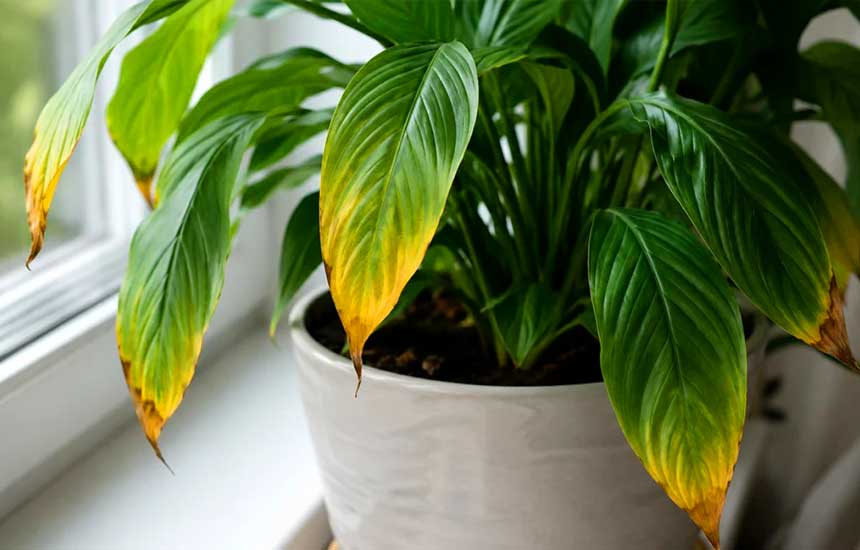
Why Are My Plant Leaves Turning Yellow?
Plant leaves can turn yellow because of overwatering, underwatering, insufficient light, nutrient problems, pests, or natural aging. The best way to identify the cause is to examine which leaves are affected, check the soil moisture, and look for other signs of stress before changing your plant care routine.
Yellow leaves do not always mean a plant is dying. An occasional older leaf turning yellow may be part of normal growth, while widespread yellowing or soft, damaged roots may indicate a more serious problem.
1. Overwatering
Overwatering is a common cause of yellow leaves in indoor plants. When soil stays wet for too long, roots may receive insufficient oxygen and can become damaged.
Signs to check:
-
The soil remains wet for several days.
-
Lower leaves turn yellow.
-
The pot feels unusually heavy.
-
The soil smells sour or the roots appear brown and soft.
How to fix it:
-
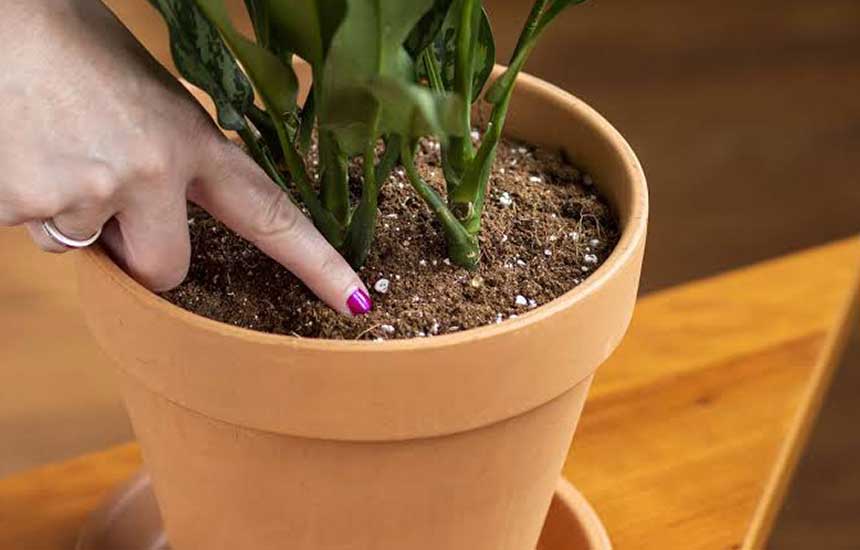
Check the soil moisture before watering again.
-
Make sure the pot has drainage holes.
-
Empty standing water from the saucer or outer pot.
-
Allow the growing medium to dry to the level appropriate for the plant species.
-
If the soil remains waterlogged or the roots are rotting, inspect the roots and repot if necessary.
Do not follow a fixed watering schedule without checking the plant and soil. A plant in a cool room may use water much more slowly than one in a warm, bright location.
For more help, see how to tell if an indoor plant needs water.
2. Underwatering
Plants that receive too little water may develop yellow, dry, or crispy leaves. The soil may pull away from the sides of the pot, and the plant may wilt.
How to fix it:
-
Check the moisture below the soil surface rather than relying only on appearance.
-
If the root ball is dry, water it thoroughly until excess water drains out.
-
Empty the saucer after drainage.
-
Check the soil again over the following days to establish a suitable watering routine.
Very dry potting mix can sometimes repel water, allowing it to run down the sides without wetting the root ball. In that situation, water gradually and confirm that the mix has actually become moist.
Avoid compensating for underwatering by leaving the plant standing in water for long periods unless its growing requirements specifically call for it.
3. Too Much or Too Little Light
Light affects photosynthesis, leaf development, and the rate at which plants use water.
A plant receiving too little light may develop pale leaves and weak, stretched growth. Some plants may develop yellow or scorched patches when moved suddenly into intense direct sunlight.
How to fix it:
-
Identify the plant species and its preferred light conditions.
-
Compare those needs with the actual light reaching its leaves.
-
Move the plant gradually if a change is needed.
-
Observe new growth over the next several weeks.
Do not assume every yellow leaf means the plant needs more sunlight. Shade-loving plants can be damaged by strong midday sun, while fruiting plants may need much brighter conditions.
4. Nutrient Deficiency
Yellowing can occur when a plant lacks an essential nutrient or cannot absorb nutrients properly.
Different patterns provide clues. For example, nitrogen deficiency often causes older leaves to become generally pale or yellow. Iron deficiency can cause younger leaves to yellow between the veins while the veins remain greener.
These patterns are clues, not definitive diagnoses. Soil pH, root damage, and excess fertilizer can create similar symptoms.
How to fix it:
-
Check the plant’s growing requirements.
-
Review whether the potting mix or soil has been depleted.
-
Consider testing the soil where appropriate.
-
Use a suitable fertilizer at the labeled rate only when a nutrient problem is reasonably suspected.
Adding fertilizer to a plant with damaged roots or waterlogged soil may make the problem worse. More fertilizer is not always the solution.
5. Natural Leaf Aging
Many plants periodically shed older leaves. If only one or two of the oldest leaves turn yellow while the rest of the plant remains healthy, natural aging may be responsible.
Remove fully yellow leaves with clean scissors if they are no longer useful to the plant. Avoid removing large numbers of green leaves unnecessarily.
If yellowing spreads rapidly or affects new growth, investigate other possible causes.
6. Pests and Plant Diseases
Spider mites, aphids, and other pests can damage leaves and cause discoloration. Fungal or bacterial diseases may produce yellow patches alongside spots, lesions, or other unusual changes.
What to inspect:
-
The undersides of leaves
-
New shoots and leaf joints
-
Fine webbing, sticky residue, or visible insects
-
Spots with distinct borders
-
Unusual leaf distortion or soft, rotting tissue
Isolate a visibly infested houseplant from other plants when practical. Identify the pest before choosing a treatment, and follow the product label if using a pesticide.
Avoid applying household chemicals to leaves unless the product is specifically suitable for that purpose.
7. Poor Drainage or Root Problems
Even when watering frequency seems reasonable, a pot with poor drainage can keep roots wet. Compacted soil, a blocked drainage hole, or a root-bound container may also interfere with healthy growth.
If yellowing continues despite appropriate watering, inspect the drainage system. When repotting is necessary, use a growing medium suitable for the species and a container that allows excess water to escape.
A Quick Troubleshooting Guide
| What you notice | Possible cause | What to check first |
|---|---|---|
| Yellow leaves and wet soil | Overwatering or poor drainage | Soil moisture and drainage holes |
| Yellow leaves with dry, crispy edges | Underwatering or environmental stress | Root-ball moisture and recent temperature changes |
| Pale growth and long, weak stems | Insufficient light | Light exposure |
| Young leaves yellow between green veins | Possible iron availability problem | Soil pH, root health, and growing conditions |
| Fine webbing or sticky residue | Possible pest infestation | Leaf undersides and new growth |
| One old leaf yellows occasionally | Natural aging | Overall plant health and new growth |
How to Prevent Yellow Leaves
-
Choose plants suited to the light and temperature available.
-
Use containers with appropriate drainage.
-
Check soil moisture before watering.
-
Avoid unnecessary fertilizer applications.
-
Inspect plants regularly for pests.
-
Make changes gradually and monitor new growth.
Keep notes about watering, light, and any changes in fertilizer or location. These records can help reveal patterns when symptoms recur.
Frequently Asked Questions
Should I cut off yellow leaves?
Remove fully yellow or damaged leaves when appropriate, using clean scissors. However, removing the leaves will not solve the underlying cause.
Can yellow leaves turn green again?
Sometimes mild discoloration may improve if the cause is corrected early, but fully yellow or severely damaged leaves often do not return to their original color. Monitor new growth to judge whether the plant is recovering.
Should I water a plant when its leaves turn yellow?
Not automatically. Check the soil first. Yellow leaves can result from both too much and too little water.
How can I tell if my plant is dying?
Widespread decline, persistent wilting, extensive root rot, and the absence of healthy new growth are warning signs. Inspect the roots and growing conditions before deciding whether the plant can recover.
Final Advice
Yellow leaves are a symptom rather than a diagnosis. Check moisture, light, root health, nutrient availability, and pests before changing your routine. Correct one likely problem at a time so you can tell which action actually helps.