

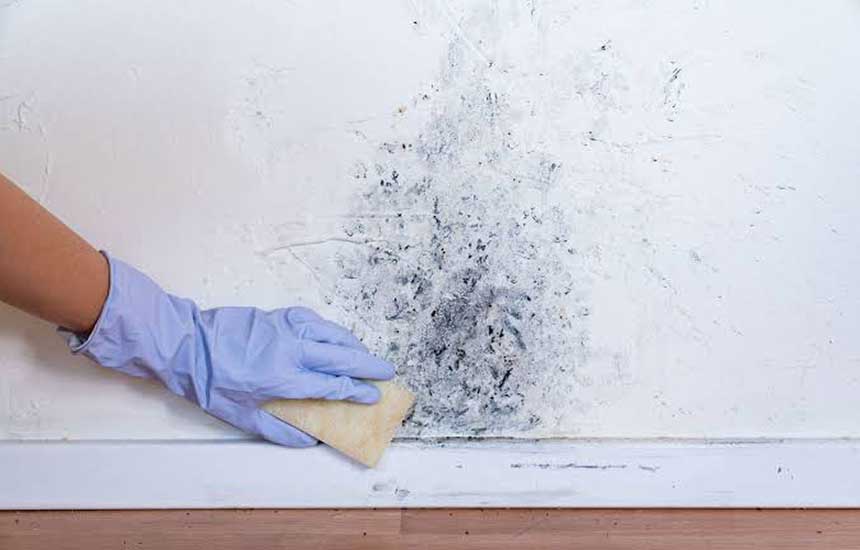
How to Remove Mold From Bathroom Walls Safely
Small areas of surface mold on bathroom walls can sometimes be cleaned with an appropriate detergent and water, provided the wall material is suitable for cleaning and the moisture problem is addressed. Mold on drywall, wallpaper, or other porous materials may penetrate below the surface, making simple wiping ineffective.
The most important steps are to identify the moisture source, protect yourself during cleaning, use a suitable method for the surface, and prevent the wall from staying damp.
Before You Start: Check the Extent of the Mold
Look for visible mold, peeling paint, soft drywall, water stains, and persistent musty odors.
Do not assume that all dark stains are mold. If the cause is uncertain, investigate possible leaks or condensation before choosing a cleaning method.
The U.S. Environmental Protection Agency (EPA) generally advises that homeowners can handle small moldy areas themselves, while larger areas or situations involving significant water damage may require professional assessment. Its commonly cited threshold of approximately 10 square feet is a screening guideline, not a guarantee that every smaller problem is safe to handle.
Seek professional advice if the affected area is extensive, keeps returning, is hidden inside a wall, or follows contaminated water damage. People with asthma, significant allergies, immune suppression, or other relevant health concerns should avoid direct exposure.
What You Need
Prepare:
-
Gloves suitable for the cleaning product
-
Protective eyewear
-
A suitable detergent or bathroom cleaner
-
Clean cloths or disposable wipes
-
A bucket and water, if required by the product
-
Ventilation through a safe window or an exhaust fan
A well-fitting respirator may be appropriate for certain cleanup tasks, but it does not make a major mold problem safe for an untrained person to handle.
Never mix cleaning products. In particular, mixing bleach with ammonia, acids, vinegar, or other cleaners can release dangerous gases.
Step 1: Find and Reduce the Moisture Source
Before cleaning, determine why the wall is staying damp.
Common causes include:
-
Condensation from hot showers
-
Poor bathroom ventilation
-
Leaking plumbing
-
Water entering around a shower, tub, window, or roof
-
Dampness trapped behind paint or wall coverings
Run the bathroom exhaust fan during showers and for the period recommended by the fan manufacturer. Repair leaks and improve ventilation before repainting.
If the wall is wet because of an active leak, fix the leak first. Cleaning without correcting the moisture source usually leads to recurring mold.
For related guidance, see how to reduce bathroom condensation and how to identify a hidden plumbing leak.
Step 2: Prepare the Area
Keep children and pets away from the cleaning area. Open a window or use an exhaust fan if this can be done safely.
Avoid dry brushing, sanding, or aggressively scrubbing moldy material because these actions can spread particles. Do not point a fan directly at the affected surface during cleaning.
Read the cleaner’s label and follow its instructions, including any contact time, rinsing requirements, and ventilation precautions.
Step 3: Clean a Small Area of Suitable Surface
For a small patch on a sound, washable painted surface:
-
Apply a suitable detergent solution according to the product instructions.
-
Gently wipe the affected area with a cloth.
-
Avoid soaking drywall or allowing water to enter seams and openings.
-
Rinse if the cleaner’s instructions require it.
-
Dry the surface thoroughly.
Do not assume that a stronger chemical is better. Household bleach is not necessary for every mold cleanup, and it may damage some finishes or materials.
If mold has grown into wallpaper, soft drywall, insulation, or another porous material, surface wiping may not remove the contamination. Damaged material may need removal and replacement using appropriate containment and safety procedures.
Step 4: Inspect the Wall After Cleaning
Once the wall is dry, check for:
-
Remaining visible growth
-
Persistent musty odors
-
Peeling or bubbling paint
-
Soft or crumbling drywall
-
Stains that reappear after cleaning
A remaining stain does not automatically mean living mold is still present, but recurring growth or continuing dampness needs further investigation.
Do not paint over active mold or damp material. Paint is not a substitute for cleaning, drying, and repairing the underlying problem.
Step 5: Prevent Mold From Returning
Improve ventilation
Use a bathroom exhaust fan that vents outdoors, where required by the building design. Keep it running during showers and afterward as recommended by the manufacturer.
Reduce lingering moisture
Wipe standing water from suitable surfaces and avoid leaving wet towels piled in a poorly ventilated bathroom.
Repair leaks promptly
Check plumbing connections, shower seals, and nearby surfaces when dampness appears repeatedly.
Monitor condensation
If mirrors and walls remain wet long after bathing, ventilation or moisture control may be inadequate.
A bathroom ventilation checklist can help you establish a regular maintenance routine.
Common Mistakes to Avoid
-
Painting over mold before removing it and correcting moisture.
-
Mixing bleach with other cleaning products.
-
Saturating drywall with water.
-
Assuming a musty smell is harmless because visible mold is absent.
-
Using a household vacuum without suitable filtration to collect moldy debris.
-
Treating extensive water damage as a simple surface-cleaning task.
Frequently Asked Questions
Does vinegar remove bathroom mold?
Vinegar may affect some types of mold on certain surfaces, but it is not a universal solution. Surface material, contamination depth, and moisture control all matter. Never mix vinegar with bleach or other cleaners.
Should I use bleach on moldy walls?
Not automatically. A suitable detergent may be sufficient for a small area on a washable surface. Bleach can damage finishes and must never be mixed with other cleaning products.
Why does bathroom mold keep coming back?
Recurring mold usually indicates that moisture remains unresolved, ventilation is inadequate, or growth persists within porous material.
When should I call a professional?
Consider professional help for extensive growth, recurring hidden mold, substantial water damage, suspected contaminated water, or situations where safe cleanup is uncertain.
Final Advice
Clean only what can be handled safely, use a method appropriate for the wall material, and correct the moisture source. If the wall is soft, wet, extensively affected, or repeatedly develops mold, investigate the underlying building problem rather than repeatedly cleaning the surface.