

How to Tell If an Indoor Plant Needs Water
The most reliable way to decide whether an indoor plant needs water is to check the moisture in its growing medium and consider the plant species, pot size, and growing conditions. Dry soil at the surface does not always mean the entire root ball is dry, and wilting can result from both underwatering and overwatering.
Instead of watering every plant on a fixed weekly schedule, use a simple moisture-checking routine and adjust it to each plant.
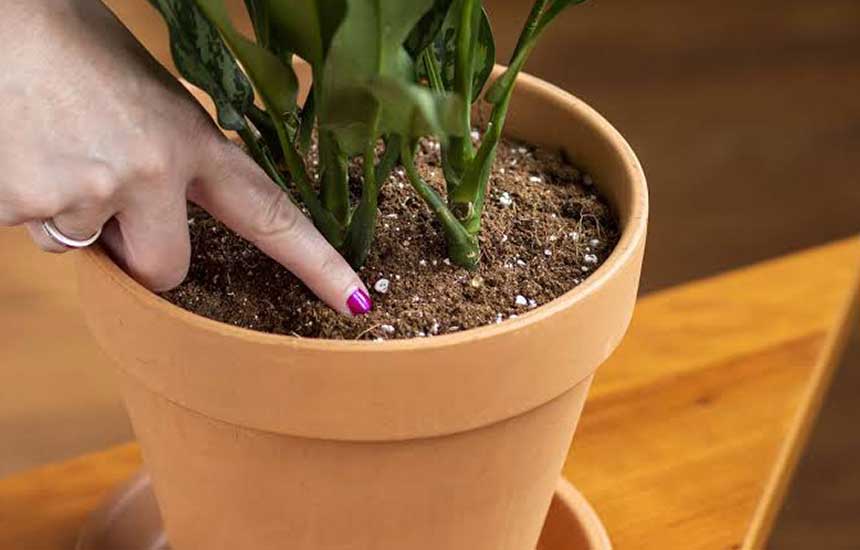
1. Check the Soil With Your Finger
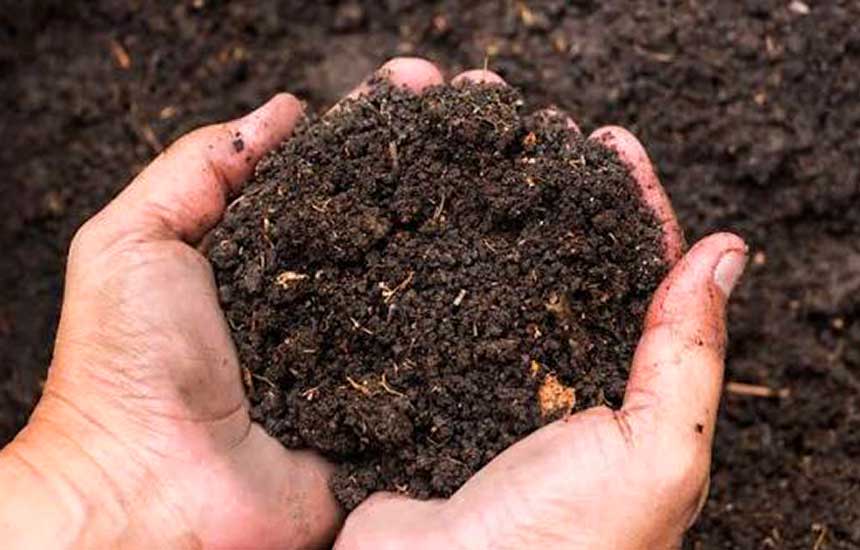
For many common houseplants, inserting a finger about 1–2 inches (2.5–5 cm) into the potting mix can provide a useful first check.
- If the mix feels dry at that depth, the plant may need water, depending on its species.
- If it feels damp, check again later unless the plant’s requirements indicate otherwise.
- If it feels saturated or smells unpleasant, investigate drainage and root health.
This method is less useful for very small pots, large containers, or plants with unusual watering needs. It also does not reveal moisture throughout a deep root ball.
2. Consider the Plant Species
Different plants need different moisture conditions.
- Many tropical foliage plants prefer the growing medium to dry somewhat between waterings, although requirements vary.
- Succulents generally need the mix to dry more thoroughly before the next watering.
- Some moisture-loving plants require more consistently moist soil.
- Orchids grown in bark-based media need watering decisions based on their roots, potting medium, and growing environment.
Identify the plant before setting a routine. A watering method that suits a cactus may be unsuitable for a moisture-loving fern.
For more information, see how to choose plants for your home and common houseplant care mistakes.
3. Look for Signs of Underwatering
Possible signs include:
- Dry, crumbly potting mix
- Leaves that droop or lose firmness
- Dry or crispy leaf edges
- A pot that feels unusually light
- Soil pulling away from the container walls
These signs can also result from heat, root damage, or other stresses, so check the soil before adding water.
If the root ball is dry, water thoroughly until excess water drains from the bottom. If the mix repels water, apply water slowly in stages and confirm that the root zone becomes moist.
4. Look for Signs of Overwatering
Possible signs include:
- Soil that remains wet for an unusually long time
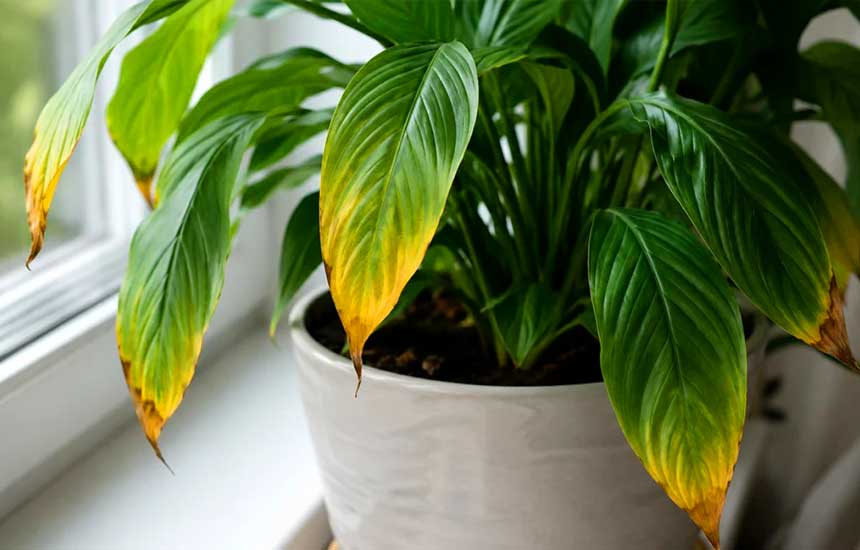
- Yellowing leaves
- Soft stems or roots
- Persistent wilting despite wet soil
- A sour smell from the growing medium
Yellow leaves alone do not prove overwatering. Low light, nutrient issues, pests, and natural aging can cause similar symptoms.
If the mix is waterlogged, stop adding water until you have assessed the situation. Check whether the container has drainage holes and whether water is collecting in an outer pot or saucer.
If roots are damaged or rotting, the plant may need repotting into a suitable fresh medium after the damaged material has been assessed.
5. Check the Pot and Drainage
Container design affects watering.
A pot with drainage holes allows excess water to escape. A decorative outer container without drainage can trap water around the inner pot if you do not empty it.
Plastic and glazed ceramic pots often lose moisture more slowly than porous terracotta pots, all else being equal. Large pots may remain wet much longer than small ones.
Do not choose watering frequency by pot material alone. Plant size, temperature, humidity, airflow, and light exposure also matter.
6. Water Thoroughly When Needed
When watering is appropriate:
- Apply water evenly across the surface of the potting mix.
- Continue until excess water drains through the drainage holes.
- Allow the pot to drain fully.
- Empty the saucer or outer pot so roots are not left standing in excess water.
Avoid giving a plant tiny amounts of water repeatedly if this leaves much of the root ball dry.
Some specialized plants have different watering requirements, so follow species-specific guidance where necessary.
7. Adjust for Seasonal Changes
Indoor plants often use less water when light levels and temperatures decrease. They may need more frequent watering in warmer, brighter conditions.
However, indoor environments differ. Heating, air conditioning, open windows, and grow lights can change how quickly a pot dries.
Check moisture regularly and adjust based on actual conditions rather than assuming every plant needs less water in winter or more in summer.
Should You Use a Moisture Meter?
A moisture meter can provide additional information, especially for larger pots. However, readings depend on the device, soil composition, placement, and calibration.
Use a meter as one source of information rather than an unquestionable measurement. Compare readings with the soil’s appearance, the plant’s requirements, and your own observations.
Common Watering Mistakes
- Watering every plant on the same schedule.
- Checking only the surface of the soil.
- Leaving excess water in a saucer.
- Mistaking overwatering symptoms for underwatering.
- Applying fertilizer to a stressed plant without diagnosing the cause.
- Ignoring seasonal changes and plant-specific requirements.
Frequently Asked Questions
Should I water indoor plants every day?
Most indoor plants do not require daily watering, although some small pots and moisture-loving species may dry quickly. Check the growing medium and plant requirements.
Is tap water suitable for indoor plants?
It depends on local water quality and plant sensitivity. Many houseplants tolerate ordinary tap water, while some species are sensitive to mineral accumulation or particular water treatments. Use species-specific guidance if leaf-tip damage or mineral buildup becomes a concern.
Is bottom watering better than top watering?
Both methods can work. Bottom watering may help moisten some dry potting mixes, but it should not leave the plant standing in water indefinitely. Periodic top watering can help flush accumulated salts from suitable growing media.
Can I tell whether a plant needs water from its leaves alone?
Not reliably. Wilting, yellowing, and drooping may occur for multiple reasons. Check the root zone and growing conditions before deciding.
Final Advice
Check the soil, understand the plant’s moisture preferences, and water thoroughly when needed. A consistent observation routine is more reliable than a fixed calendar, and it helps prevent both prolonged dryness and waterlogged roots.