

Why Does My Car Battery Keep Dying Overnight?
If your car battery repeatedly goes flat overnight, the cause may be a weak battery, an electrical component that stays on, a charging-system problem, or a poor battery connection. Cold weather and frequent short trips can also make an existing battery problem more noticeable.
The quickest way to narrow down the cause is to note the symptoms, inspect the battery connections safely, and arrange appropriate battery and charging-system tests rather than replacing parts at random.
1. Check Whether the Battery Is Actually Discharged
A car that will not start does not always have a dead battery. A faulty starter, poor electrical connection, or other mechanical problem can produce similar symptoms.
Common signs of a discharged battery include:
-
The engine cranks slowly or does not crank.
-
Dashboard lights dim when you try to start the car.
-
You hear rapid clicking when turning the key or pressing the start button.
-
The vehicle’s electronics behave inconsistently.
These symptoms are clues, not definitive diagnoses. Check the vehicle manual for the correct starting procedure and warning messages.
If the battery is swollen, cracked, leaking, unusually hot, or producing a strong sulfur-like odor, do not attempt to jump-start it. Arrange professional assistance.
2. Consider the Battery’s Age and Condition
A car battery gradually loses its ability to store and deliver energy. A battery nearing the end of its service life may start the vehicle normally one day and fail after the car sits overnight.
Battery life varies with climate, driving patterns, battery type, and maintenance. Age alone cannot confirm that a battery needs replacement.
What to do:
-
Check the battery’s installation date if available.
-
Look for corrosion, damaged terminals, or a loose hold-down.
-
Arrange a battery condition test using equipment suitable for the battery type.
-
Replace the battery only if testing or the manufacturer’s criteria indicate that it is no longer serviceable.
Modern vehicles may require a battery registration or monitoring-system reset after replacement. Check the service instructions for your model.
3. Look for Electrical Components Staying On
A light or accessory that remains active after the vehicle is parked can drain the battery.
Possible causes include:
-
A glove-box or trunk light that stays on
-
An interior light left switched on
-
An aftermarket dash camera or accessory
-
A faulty relay
-
An infotainment system that fails to enter sleep mode
-
A door, hood, or trunk sensor that prevents the vehicle from shutting down correctly
Park safely, switch the vehicle off, remove the key or move the key fob away as appropriate, and check whether interior lights or accessories remain on.
Some vehicles keep electronic modules active for a period after shutdown. Do not assume a normal delay is a fault; consult the owner’s manual.
If no obvious accessory is responsible, a technician can measure parasitic battery drain after the vehicle’s systems have entered their normal sleep state.
Avoid disconnecting random fuses or probing live electrical circuits without the correct wiring information and test equipment.
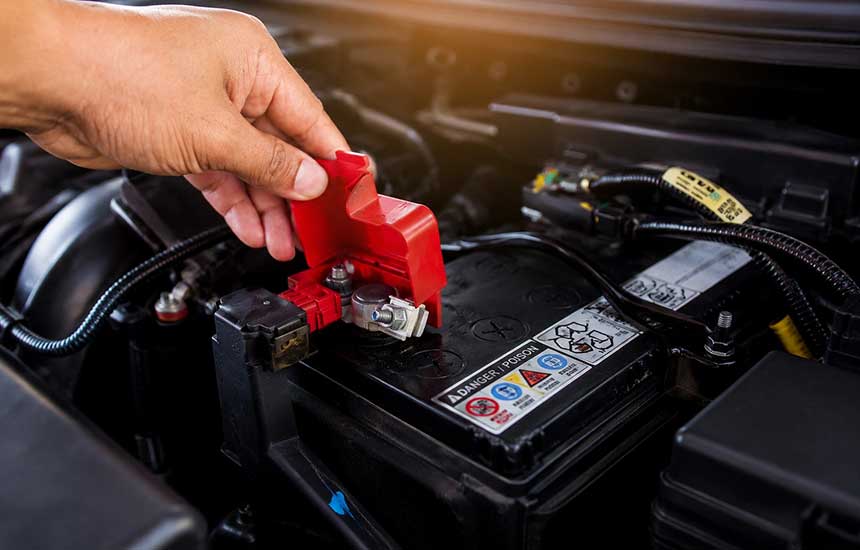
4. Check the Battery Terminals
Loose or corroded battery connections can interfere with starting and charging.
With the vehicle switched off, inspect the terminals visually. Do not touch damaged or leaking batteries, and avoid allowing metal tools to bridge the positive terminal and vehicle body.
If a terminal is visibly loose, corroded, or damaged, have it cleaned and secured using the vehicle manufacturer’s procedure. Some vehicles have battery sensors and specific terminal arrangements that require extra care.
A poor connection may cause starting problems even when the battery itself is healthy.
5. Consider a Charging-System Problem
The alternator or another part of the charging system may not replenish the battery adequately while driving.
Possible clues include:
-
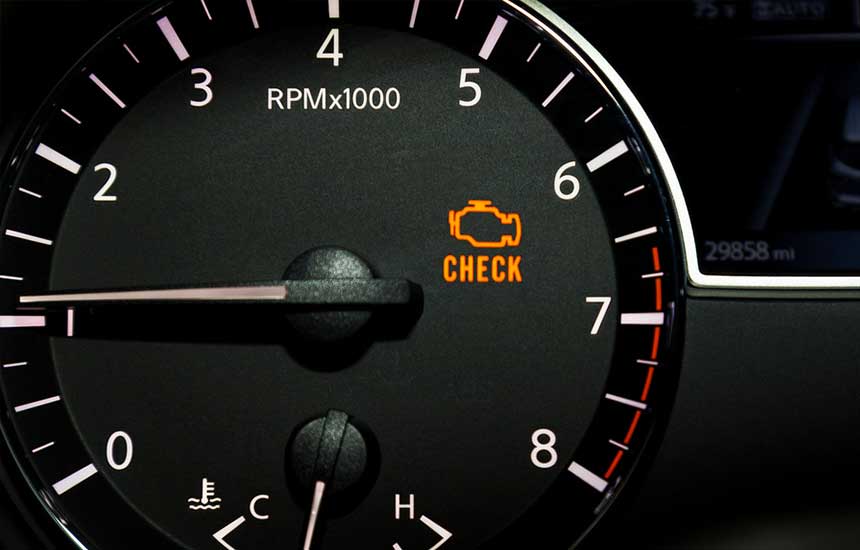
A battery or charging-system warning light
-
Repeated starting problems despite a recently charged battery
-
Unusual electrical behavior while the engine is running
-
A battery that tests healthy after charging but becomes discharged again
These symptoms require proper testing. A warning light may indicate a charging fault, but it does not identify the failed component by itself.
Do not test an alternator by disconnecting the battery while the engine is running. That can damage vehicle electronics.
A qualified technician can test charging performance according to the vehicle’s specifications.
6. Consider Cold Weather and Short Trips
Cold temperatures reduce a battery’s ability to deliver starting power. At the same time, a cold engine may require more power to start.
Frequent short trips can also leave insufficient time to replace the energy used during starting, especially if the vehicle has high electrical loads.
If the battery is repeatedly weak after short journeys, have its condition and charging performance checked. A suitable battery maintainer may help a vehicle that is stored for long periods, provided it is compatible with the battery and used according to the manufacturer’s instructions.
7. What to Do If the Car Will Not Start
If the battery appears discharged:
-
Park safely and follow the vehicle manual.
-
Check for battery damage or leakage before attempting a jump-start.
-
Use only the approved jump-start points and procedure for the vehicle.
-
Keep cables clear of moving parts and follow the correct connection sequence.
-
If you are unsure, use roadside assistance.
Some vehicles have special jump-start terminals or restrictions. Hybrid and electric vehicles may have a separate low-voltage battery, and their procedures can differ from those of conventional vehicles.
A jump-start may restore starting power temporarily, but it does not identify or repair the cause of repeated discharge.
A Quick Troubleshooting Guide
| Symptom | Possible cause | Recommended next step |
|---|---|---|
| Battery is old and cranking is slow | Reduced battery capacity | Arrange a battery test |
| Battery repeatedly drains while parked | Electrical drain or battery fault | Check accessories and test drain |
| Charging warning appears | Charging-system fault | Follow the manual and seek diagnosis |
| Battery works after charging but fails again | Battery, charging, or drain problem | Test the complete system |
| Problems occur mainly in cold weather | Reduced starting capacity or weak battery | Test battery condition and charging |
Frequently Asked Questions
Can a car battery drain overnight even if the lights are off?
Yes. A weak battery, parasitic electrical drain, charging-system problem, or poor connection can cause this.
Will driving recharge a dead battery?
Driving may replenish some battery charge, but it is not a reliable substitute for proper charging and testing. A deeply discharged or damaged battery may need specialized charging or replacement.
How can I tell if the battery or alternator is bad?
Symptoms overlap. A battery test and charging-system test are needed to distinguish between a weak battery, inadequate charging, and other electrical problems.
Should I replace the battery if I need a jump-start?
Not necessarily. A jump-start indicates that the vehicle lacked sufficient starting power at that moment. Test the battery and charging system before deciding.
Final Advice
Repeated overnight battery discharge is a symptom that needs diagnosis. Check for obvious electrical loads, inspect connections safely, and have the battery, charging system, and possible parasitic drain tested. Avoid repeated jump-starts without finding the underlying cause.