

How to Grow Tomatoes in Containers
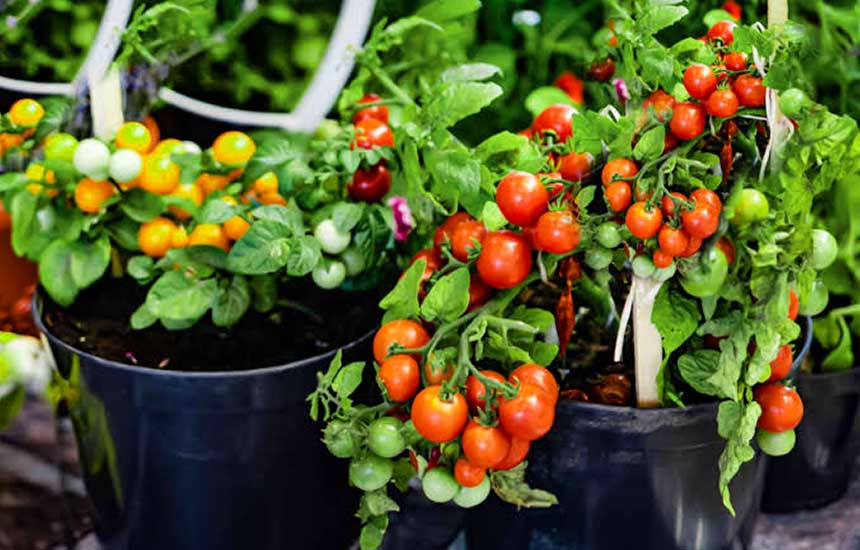
Tomatoes can grow successfully in containers on balconies, patios, and small outdoor spaces. The key is to choose a suitable tomato variety, use a container large enough for its roots, provide plenty of sunlight, and keep the potting mix consistently moist without leaving the roots waterlogged.
Container tomatoes need more frequent monitoring than tomatoes planted in the ground because their limited soil volume dries out more quickly.
1. Choose the Right Tomato Variety
Tomato varieties generally fall into two useful categories for container gardening.
-
Determinate tomatoes: These plants tend to grow to a more limited size and produce much of their crop over a relatively concentrated period. Compact varieties can be convenient for smaller spaces.
-
Indeterminate tomatoes: These plants continue growing and producing fruit through the season when conditions are suitable. They usually need stronger support and more room.
Look for varieties described as compact, patio, dwarf, or suitable for containers. Check the mature plant size before purchasing seeds or seedlings.
2. Select a Suitable Container
For a full-sized tomato plant, a container holding around 5 gallons (19 liters) or more is a useful starting point. Large, vigorous varieties may benefit from even more root space.
Choose a pot that:
-
Has unobstructed drainage holes.
-
Is stable enough to support the mature plant.
-
Can accommodate a stake or tomato cage.
-
Is made from a material suitable for outdoor conditions.
Small pots dry out quickly and make it harder to maintain even soil moisture. Avoid placing a drainage pot inside a decorative outer pot where excess water can collect unnoticed.
3. Use Suitable Potting Mix
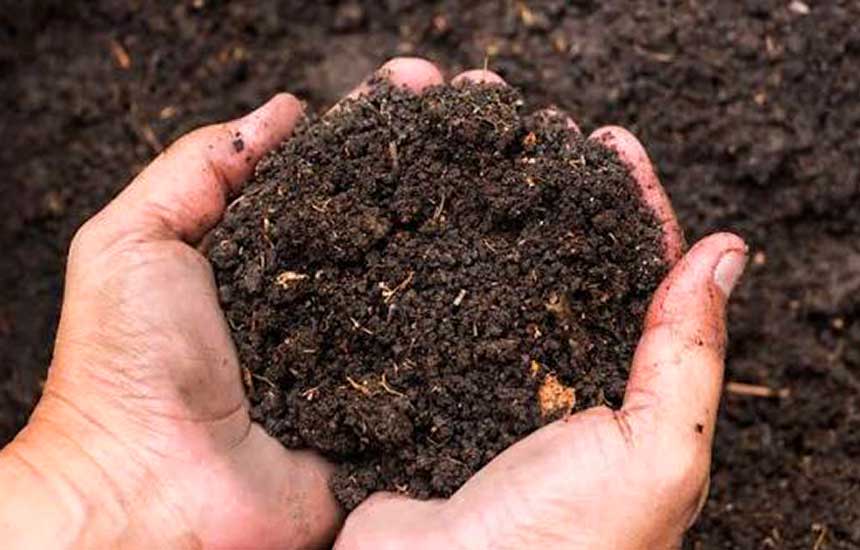
Use a quality potting mix designed for containers rather than heavy garden soil alone. Garden soil can compact in a pot, restricting airflow and drainage.
Fill the container without compressing the mix excessively. Follow the potting mix label for any additional fertilizer or amendments.
Tomatoes grow best when roots receive both moisture and oxygen. A mix that remains soggy for long periods can encourage root problems.
4. Plant the Tomato Correctly
Plant after local conditions are suitable for warm-season tomatoes and the risk of damaging frost has passed.
-
Water the seedling before transplanting if the root ball is dry.
-
Remove the plant carefully from its nursery pot.
-
Set it into the container and firm the mix gently around the roots.
-
Water thoroughly to settle the mix.
-
Install a stake or cage early so you do not damage the roots later.
Tomatoes can form additional roots along buried stems. You can often plant a leggy seedling deeper, removing leaves that would otherwise be buried, provided the planting method suits the seedling and growing conditions.
5. Provide Enough Sunlight
Tomatoes generally perform best with at least 6–8 hours of direct sunlight daily, although exact needs vary with variety and climate.
Place the container where the plant receives ample light and has good air circulation. In very hot climates, intense afternoon heat may cause stress even when the plant receives plenty of sun.
Rotate the pot only if needed to improve light exposure, taking care not to damage stems or roots.
6. Water Consistently
Container tomatoes need regular moisture, especially during hot, windy weather and fruit development.
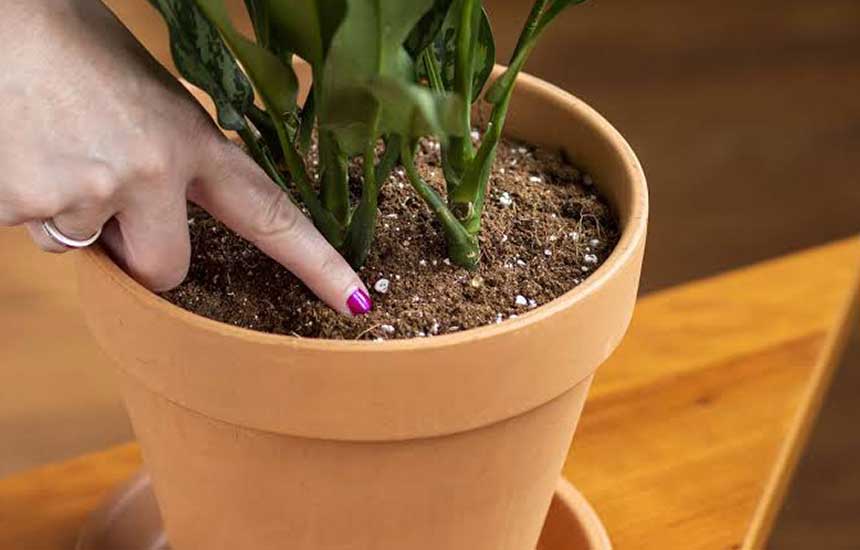
Check the mix by inserting a finger a short distance below the surface or using another suitable moisture-checking method. Water when the plant and growing medium need it, rather than relying on a rigid daily schedule.
Apply water slowly until excess drains from the bottom. Empty any standing water from the saucer.
Try to avoid repeated cycles of severe drying followed by heavy watering. Large fluctuations in moisture can contribute to problems such as fruit cracking and blossom-end rot.
7. Feed the Plants Appropriately
Tomatoes are productive plants and need adequate nutrients. Use a fertilizer intended for tomatoes or container vegetables, following the label for dosage and timing.
Too much nitrogen can encourage leafy growth at the expense of fruit production. Excess fertilizer can also damage roots or cause salt buildup.
Do not combine several fertilizers simply because the plant looks weak. First check sunlight, watering, drainage, and signs of pests or disease.
8. Support the Stems and Monitor Growth
Install a suitable cage, stake, or trellis according to the variety’s growth habit.
Tie stems loosely with soft plant ties. Avoid tight knots that can constrict growth.
Check plants regularly for:
-
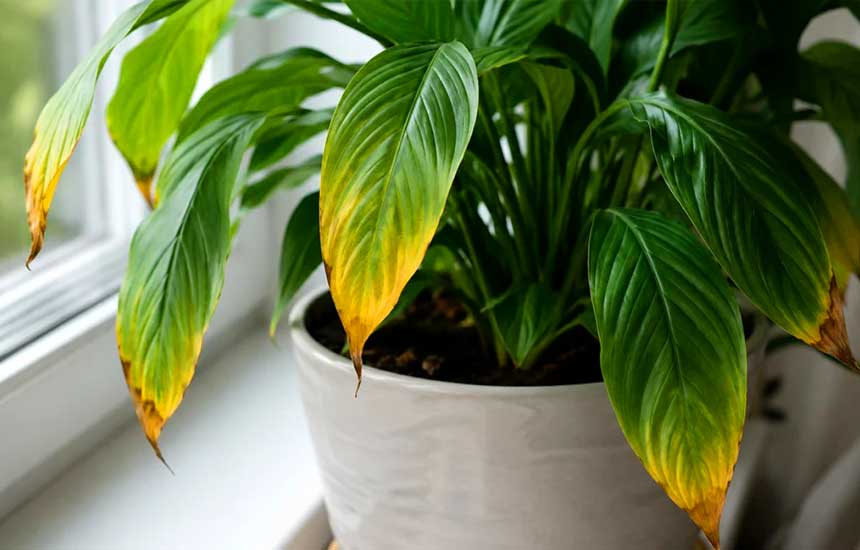
Yellowing or spotted leaves
-
Aphids and other pests
-
Broken or overloaded branches
-
Dry potting mix
-
Damaged or discolored fruit
Remove diseased material carefully and clean tools when necessary. Identify the problem before using a pesticide or fungicide.
Common Tomato Growing Problems
Leaves curl: Heat, inconsistent watering, pests, and other stresses can cause curling. Examine the whole plant before deciding on a treatment.
Flowers fall without producing fruit: High or low temperatures, poor pollination, and plant stress can interfere with fruit set.
Fruit develops a dark, sunken patch at the blossom end: Blossom-end rot is associated with problems in calcium delivery to developing fruit, often influenced by inconsistent water availability or root stress. Adding calcium without diagnosing the problem may not help.
Fruit cracks: Rapid changes in water availability can contribute to cracking. Maintain more consistent soil moisture.
Frequently Asked Questions
Can I grow tomatoes in a 5-gallon bucket?
A 5-gallon container can work for many tomato plants if it has suitable drainage and enough room for the chosen variety. Larger varieties may need more space.
How often should I water container tomatoes?
There is no universal schedule. Check soil moisture and account for temperature, wind, pot size, plant size, and fruit production.
Do tomatoes need pollination by hand?
Outdoor tomatoes are usually pollinated by wind and insect activity. In sheltered areas, gently shaking the flowering plant may help release pollen, but avoid damaging the stems.
When should I harvest tomatoes?
Harvest according to the variety and desired ripeness. Fruit color, firmness, and the variety’s expected mature appearance are useful indicators.
Final Advice
Choose a container-friendly variety, provide ample sunlight, maintain consistent moisture, and support the plant as it grows. Check the plant regularly and correct problems early rather than adding water or fertilizer without identifying the cause.