

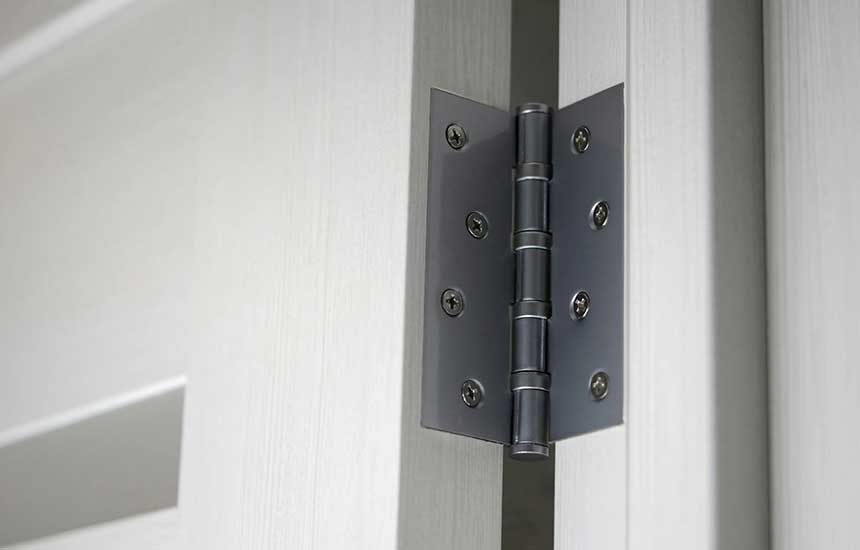
How to Stop a Door From Squeaking
A squeaky door is usually caused by friction in its hinges, dirt around the hinge pins, or movement between metal components. Cleaning the hinge and applying a compatible lubricant often solves the problem. If the door rubs against the frame, however, lubrication alone will not fix the underlying issue.
What You Need
Prepare a suitable lubricant, a clean cloth, a small brush, and a screwdriver. Use a lubricant recommended for the hinge material and finish.
Keep lubricants away from flooring and other surfaces where they could create a slipping hazard. Follow the product’s safety instructions.
Step 1: Find the Source of the Noise
Open and close the door slowly. Listen carefully to determine whether the sound comes from the hinges, the latch, or the door rubbing against the frame.
Look for:
- Loose hinge screws
- Visible dirt or corrosion
- A bent hinge
- Scratches where the door contacts the frame
- A door that sags or fails to close evenly
If the door rubs against the frame, inspect its alignment before applying lubricant.
Step 2: Tighten Loose Hinge Screws
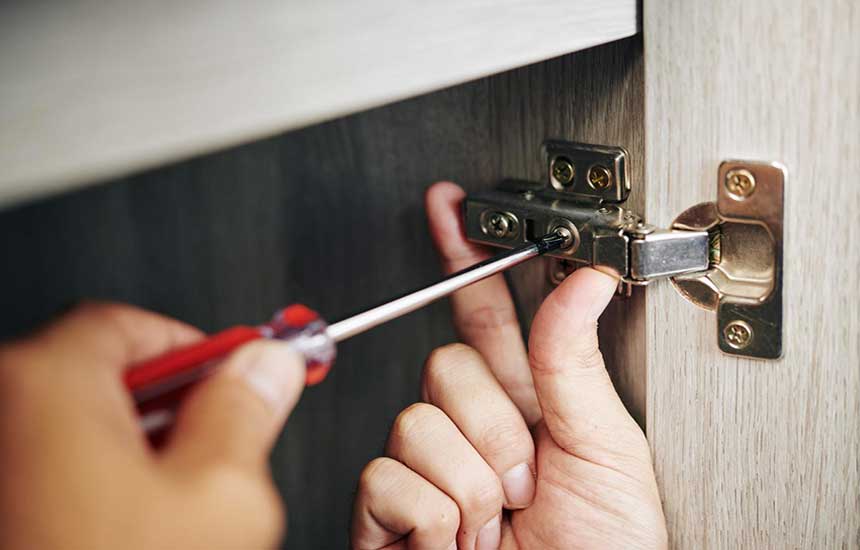
Use a screwdriver that fits the screw heads. Tighten loose screws gently, supporting the door if necessary.
Do not overtighten. A stripped screw hole can make the hinge less secure.
If a screw spins without tightening, see how to repair stripped screw holes for a suitable repair method.
Step 3: Clean the Hinges
Wipe away surface dirt with a dry cloth. Use a small brush to remove dust from accessible hinge joints.
If the hinge has sticky residue, use a cleaner compatible with the hinge finish, then allow the area to dry fully before lubrication.
Avoid soaking the hinge or allowing cleaner to run onto painted surfaces or flooring.
Step 4: Apply a Suitable Lubricant
Apply a small amount of hinge-compatible lubricant to the pivot area where the hinge knuckles rotate.
Move the door back and forth slowly to distribute the lubricant. Wipe away excess product.
Do not assume every oil, grease, or spray is suitable for every hinge. Some products attract dirt, damage certain finishes, or leave residue. Follow the hinge manufacturer’s recommendations when available.
If the hinge design allows safe pin removal and the manufacturer’s instructions permit it, the pin may be cleaned and lubricated separately. Do not remove a hinge pin from a heavy or unstable door without adequate support.
Step 5: Test the Door
Open and close the door several times. If the squeak remains, check whether the sound comes from another hinge or from the latch contacting the strike plate.
A small amount of lubricant applied to the correct moving contact point may resolve friction at the latch, but use a product compatible with the hardware.
What If the Door Still Squeaks?
Persistent noise may indicate a mechanical or alignment problem.
- Door rubs against the frame: Check hinge alignment and gaps.
- Hinge is visibly bent: Replace it with compatible hardware.
- Screws will not tighten: Repair the mounting holes.
- Door sags: Inspect all hinges and the surrounding frame.
- Rust or wear is extensive: Consider replacing the affected hinge.
Do not plane or cut the door immediately. First establish why it is rubbing; seasonal humidity, loose hinges, or frame movement may be responsible.
Common Mistakes to Avoid
- Spraying large amounts of lubricant onto the door.
- Using cooking oil as a long-term hinge lubricant.
- Ignoring loose mounting screws.
- Removing a loaded hinge pin without supporting the door.
- Sanding or trimming a door before checking its alignment.
Frequently Asked Questions
Can I use petroleum jelly on a squeaky door hinge?
It may reduce friction in some situations, but it can collect dust and may not suit every hinge. A lubricant recommended for the hardware is a better starting point.
Why does my door squeak only in certain weather?
Changes in humidity can affect wood and alter the clearance between a door and its frame. Check for rubbing as well as hinge friction.
How often should I lubricate door hinges?
There is no universal schedule. Lubricate when noise or stiffness develops, and follow the hardware manufacturer’s maintenance recommendations.
Final Advice
Start with diagnosis, cleaning, and gentle tightening. Apply a small amount of suitable lubricant only where moving metal parts make contact. If the noise is caused by misalignment or damaged hardware, repair that problem instead of repeatedly lubricating the hinge.