

How to Improve Garden Soil Before Planting
Healthy garden soil provides plant roots with water, air, nutrients, and physical support. Before planting, assess the soil texture, drainage, and pH rather than immediately adding fertilizer or amendments.
Many garden soils benefit from suitable organic matter, such as mature compost. However, the best treatment depends on the plants you intend to grow and the condition of the existing soil.
Step 1: Examine Your Soil
Start by looking at the soil when it is slightly moist, not saturated.
-
Sandy soil: Feels gritty and usually drains quickly, but may hold less water and fewer nutrients.
-
Clay soil: Feels sticky when wet and can form a firm ball. It may drain slowly and compact easily.
-
Loamy soil: Often has a mixture of particle sizes and can provide a useful balance of drainage and water retention.
These are general observations, not a laboratory analysis. Many garden soils contain a mixture of textures.
Avoid digging or walking on very wet soil because this can increase compaction.
Step 2: Check Drainage
Poor drainage can suffocate roots and increase the risk of root disease. Very rapid drainage may mean plants need more frequent watering.
Observe the area after rainfall or watering. If water repeatedly pools for long periods, investigate compaction, slope, downspouts, or other sources of excess water.
For a more formal assessment, use a soil drainage test suited to your site or consult a local gardening extension service. Results depend on the soil profile and test method.
Do not assume that adding a small amount of sand will solve heavy clay soil. Poorly chosen amendments can worsen the structure rather than improve it.
Step 3: Add Suitable Organic Matter
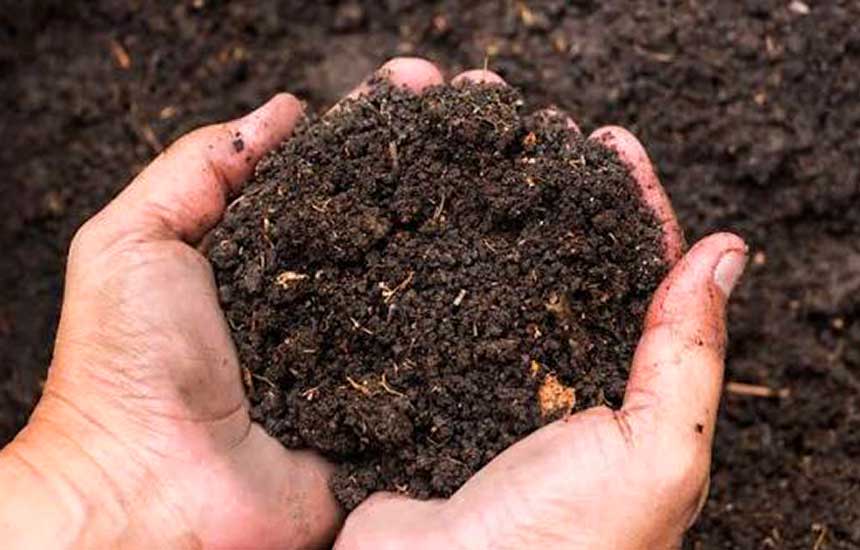
Mature compost can improve the structure of many garden soils. It may help sandy soil retain water and nutrients and improve aggregation in some clay soils.
To use compost:
-
Remove weeds and debris.
-
Spread a suitable layer of mature compost over the bed.
-
Mix it into the upper soil where appropriate, or apply it as a surface layer according to the planting system.
-
Avoid burying fresh, undecomposed plant waste around delicate roots.
-
Water if needed to settle the soil.
The amount required depends on the current soil condition and the compost’s quality. Excessive compost applications can introduce too many nutrients or raise soluble salt levels.
Use compost from a reliable source and avoid materials that may contain persistent herbicide residues or contaminants.
Step 4: Test Soil pH When Needed
Soil pH affects how available different nutrients are to plant roots.
Many common vegetables grow well in slightly acidic to neutral soil, but some plants have different preferences. Blueberries, for example, generally require more acidic conditions than many vegetables.
Use a suitable soil test if plants repeatedly show nutrient problems or if you are growing species with specific pH requirements.
Do not add lime or sulfur simply because a plant looks unhealthy. First determine whether a pH adjustment is needed and follow the soil test recommendations.
Step 5: Manage Compaction
Compacted soil restricts root growth and can slow drainage.
Avoid working the soil when it is saturated. Use designated paths to prevent repeated foot traffic over planting beds.
For suitable garden beds, loosen compacted soil gently with a garden fork or another appropriate tool. Avoid excessive digging that breaks down soil structure or damages established roots.
Severely compacted ground may require a more comprehensive plan, including assessment of the soil profile and drainage.
Step 6: Apply Fertilizer Only When Appropriate
Fertilizer can supply nutrients that plants need, but it cannot correct every soil problem.
Before applying it:
-
Identify the plants you intend to grow.
-
Review the fertilizer label.
-
Consider a soil test where nutrient status is uncertain.
-
Follow the recommended application rate.
-
Avoid applying fertilizer directly against roots or stems unless the product instructions permit it.
Excess fertilizer can damage plants and contribute to nutrient runoff.
Step 7: Protect the Soil After Planting
Once the bed is prepared, use suitable mulch where appropriate to reduce evaporation, moderate soil temperature, and help suppress weeds.
Keep mulch away from direct contact with plant stems and tree trunks. Select the type and depth of mulch according to the plant, climate, and local conditions.
Where suitable, cover crops and living roots can also help protect soil between growing seasons.
Common Soil Improvement Mistakes
-
Adding amendments without checking the soil condition.
-
Working wet soil and creating additional compaction.
-
Using fresh manure near plants without appropriate composting and safety precautions.
-
Applying lime or sulfur without a reason.
-
Assuming all plants prefer the same soil pH.
-
Adding fertilizer to compensate for poor drainage.
Frequently Asked Questions
Is compost enough to improve garden soil?
Compost can improve soil structure and supply organic matter, but it may not correct every problem. Drainage, pH, salinity, compaction, and specific nutrient deficiencies may require separate assessment.
Should I add sand to clay soil?
Not automatically. Small amounts of sand mixed into clay can produce an undesirable dense mixture. Improving soil structure with appropriate organic matter and addressing compaction or drainage is often a better starting point.
How do I know if my garden soil needs fertilizer?
A soil test is the most reliable starting point when nutrient levels are uncertain. Plant symptoms alone can be misleading because root damage and watering problems can resemble nutrient deficiencies.
Can I plant immediately after adding compost?
It depends on the compost’s maturity, quantity, and the crop. Mature, suitable compost may be used before planting, but fresh materials may need further decomposition.
Final Advice
Begin by understanding your soil rather than treating it blindly. Check texture, drainage, and pH where necessary, use mature compost appropriately, and avoid unnecessary fertilizer. Healthy soil management is an ongoing process, not a single application of amendments.