


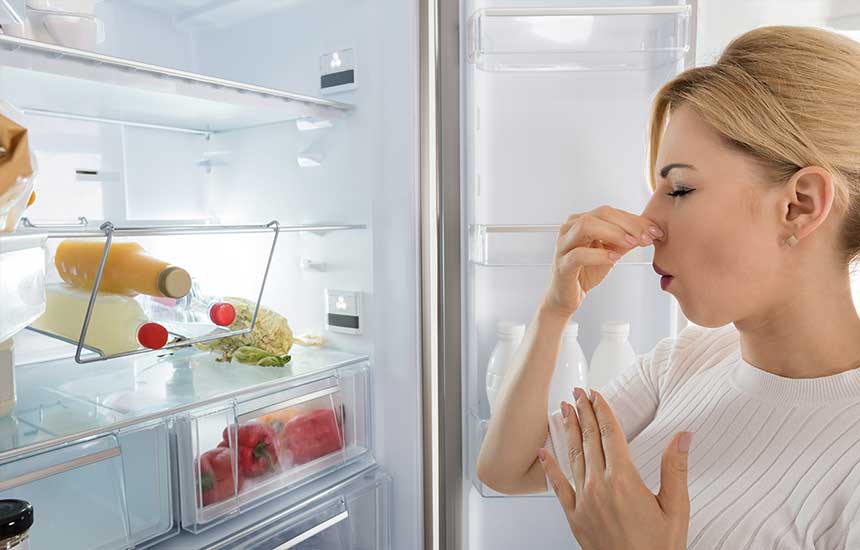
How to Remove Bad Smells From a Refrigerator
A refrigerator can develop unpleasant odors even when it looks clean. Spilled food, forgotten leftovers, spoiled produce, and blocked drainage areas are common causes. Sometimes the smell comes from the drip tray or another part of the appliance rather than the food compartment itself.
The best solution is to find the source, clean the affected area, and prevent the odor from returning.
1. Find the Source of the Smell
Start by checking food containers, produce drawers, shelves, and door compartments.
Look for:
-
Leftovers that have been stored too long.
-
Leaking meat or seafood packaging.
-
Spoiled fruit and vegetables.
-
Open containers that release strong odors.
-
Spills underneath removable drawers.
Discard food that is spoiled or unsafe to eat. Do not taste food to determine whether it is safe.
If the odor is strong, rotten, or persistent, inspect the entire refrigerator rather than simply placing an air freshener inside.
2. Remove Food and Store It Safely
Take out the food so you can clean the refrigerator thoroughly. Keep perishable items in another working refrigerator or an insulated cooler with sufficient ice while you clean.
A refrigerator should generally be kept at or below 40°F (4°C). If perishable food has been above that temperature for more than two hours, it may need to be discarded; the limit is one hour when the surrounding temperature exceeds 90°F (32°C). Follow local food-safety guidance for specific foods.
Do not leave meat, dairy products, or prepared meals on the counter throughout a lengthy cleaning process.
3. Clean Shelves and Drawers
Remove shelves and drawers if the manufacturer’s instructions allow it.
Wash removable parts with warm water and mild dish soap. Let glass shelves adjust to room temperature before washing, because sudden temperature changes can cause glass to crack.
Wipe the interior with a clean cloth and a solution of warm water and mild dish soap. Pay attention to corners, drawer tracks, door seals, and areas where liquids may have collected.
Rinse away soap residue with a clean damp cloth and dry the surfaces before returning food.
Avoid abrasive cleaners that can scratch plastic surfaces or damage finishes.
4. Clean Spills and Door Seals
Small spills can hide beneath drawers or around the door gasket.
Wipe the rubber door seal gently and check for food residue or mold-like growth. Do not pull or stretch the gasket unnecessarily.
A damaged seal can also allow warm air to enter, causing condensation and temperature problems. If the seal is cracked or no longer closes properly, consult the appliance manufacturer about replacement.
5. Check the Drainage Area
Some refrigerators use a defrost drainage system that carries water away from the interior. If the drain becomes blocked, water and debris may accumulate and produce an odor.
Check your appliance manual for the location and approved cleaning method. Do not push sharp objects into a drain tube or remove internal panels unless the manufacturer provides clear instructions for that task.
If water repeatedly pools inside the refrigerator, or the smell continues after cleaning, professional service may be necessary.
6. Use Baking Soda to Help Control Odors
After cleaning, an open container of baking soda intended for odor control may help reduce some lingering smells.
It is not a substitute for removing spoiled food or cleaning contaminated surfaces. Replace it according to the product instructions, and avoid spilling the powder into ventilation openings.
Commercial refrigerator odor absorbers may also help, but their effectiveness varies with the type and strength of the odor.
7. Check the Refrigerator Temperature
A refrigerator that is too warm can allow food to spoil faster.
Use an appliance thermometer to verify that the temperature remains at or below 40°F (4°C). Avoid overpacking the refrigerator so cold air can circulate, and check that the door closes fully.
If food repeatedly spoils early or the refrigerator cannot maintain a safe temperature, investigate the appliance rather than relying on odor-control products.
8. Prevent Future Odors
A few simple habits can make a significant difference:
-
Store leftovers in clean, covered containers.
-
Wipe up spills promptly.
-
Keep raw meat and seafood securely contained to prevent leaks.
-
Label leftovers with the date they were prepared.
-
Check produce and leftovers regularly.
-
Clean shelves and drawers when necessary.
-
Keep the door seal clean and ensure the door closes properly.
Frequently Asked Questions
Does baking soda remove all refrigerator smells?
No. Baking soda may help with some residual odors, but it cannot reliably solve a problem caused by spoiled food, hidden spills, a blocked drain, or a mechanical fault.
Can I use bleach inside my refrigerator?
Use only products and methods approved by the appliance manufacturer and follow the product label. Never mix bleach with vinegar, ammonia, or other cleaning products, because dangerous gases can form.
Why does my refrigerator still smell after cleaning?
The source may be hidden beneath a drawer, inside a drainage area, in a drip tray, or in spoiled food packaging. A persistent smell can also indicate a mechanical problem. Check the manual and seek service if the cause remains unclear.
How often should I clean my refrigerator?
Wipe spills as soon as they occur and check old food regularly. A more thorough cleaning can be done as needed, especially when food leaks or odors develop.
Final Advice
Remove the source of the odor before using any deodorizer. Clean surfaces with an appropriate cleaner, keep food at a safe temperature, and investigate persistent smells that return after a thorough cleaning.