

How to Choose the Right Paint Finish for Every Room
Choosing an interior paint color is only part of the decision. The paint finish also affects how a wall looks, how much light it reflects, and how easily marks can be cleaned.
Flat paint can help hide small surface imperfections, while glossier finishes are often easier to wipe. The best option depends on the room, the condition of the walls, and how much wear the surface receives.
1. Understand the Main Paint Finishes
Flat or matte paint reflects little light and creates a soft appearance. It can help disguise minor surface irregularities, making it useful for ceilings and low-traffic rooms. Some flat paints are difficult to clean, although washable formulations are available.
Eggshell paint has a subtle sheen. It is a common choice for living rooms, bedrooms, and other areas that need a balance between appearance and cleanability.
Satin paint has a more noticeable sheen and is generally easier to wipe than traditional flat paint. It may suit hallways, family rooms, and busy areas, but it can highlight uneven patches if the surface preparation is poor.
Semi-gloss paint reflects more light and is commonly used on trim, doors, and some moisture-prone surfaces. Follow the product label to confirm whether a particular formulation is suitable for the intended location.
Product names and sheen levels vary by manufacturer, so compare sample cards and technical information rather than relying on the finish name alone.
2. Match the Finish to the Room
Bedrooms and living rooms often work well with matte or eggshell finishes because they create a relatively soft look.
Hallways, children’s rooms, and frequently touched walls may benefit from a more washable finish. Kitchens and bathrooms need coatings specifically suitable for their moisture and cleaning conditions. A glossier finish alone does not make a wall waterproof.
Ceilings are often painted with flat ceiling paint to reduce visible reflections. Doors, baseboards, and window trim may use satin or semi-gloss paint for durability and easier cleaning.
3. Consider Wall Condition and Lighting
Paint sheen can make imperfections more noticeable. Strong side lighting may reveal dents, ridges, and uneven patches that are difficult to see under ordinary lighting.
Before painting, inspect the wall from several angles. Repair holes, sand rough areas, remove loose paint, and use a compatible primer where necessary.
If you are unsure about the final appearance, test the paint on a sample area and view it under both daylight and artificial light.
4. Check Moisture and Surface Compatibility
Do not use ordinary interior wall paint on every surface. Wood trim, metal, masonry, and previously coated surfaces may need different preparation or products.
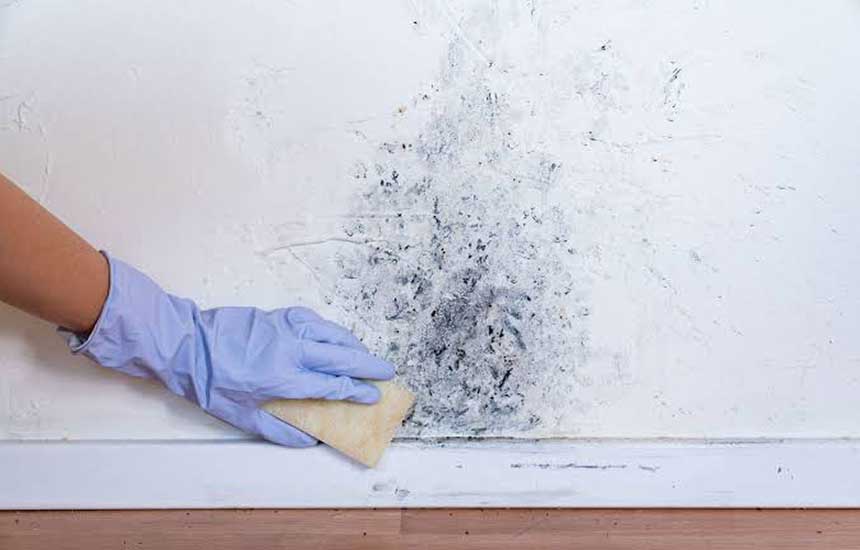
In bathrooms and kitchens, choose a coating rated for the surface and conditions. Fix leaks and persistent condensation before painting. Paint should not be used to hide active water damage or mold.
Always follow the product label for ventilation, application temperature, drying time, and recoating instructions.
Frequently Asked Questions
Is flat paint better than satin paint?
Neither is always better. Flat paint can conceal minor imperfections, while satin is generally easier to clean. Choose according to wall condition, expected wear, and the product’s stated performance.
Is semi-gloss paint waterproof?
No. A semi-gloss finish may resist wiping and moisture better than some lower-sheen paints, but it does not automatically make a surface waterproof. Use products designed for the specific environment.
Should every room use the same paint finish?
Not necessarily. Different rooms have different cleaning needs, moisture exposure, lighting, and surface conditions. Using more than one finish can be practical.
Do I need primer before painting?
Primer is often useful on bare surfaces, repairs, stains, or when changing between incompatible coatings. Check the paint and primer instructions for your particular surface.
Final Advice
Choose paint by considering the room’s use, wall condition, moisture exposure, and cleaning needs—not sheen alone. Test a sample before committing to the entire room.