

How to Reduce Static Electricity at Home
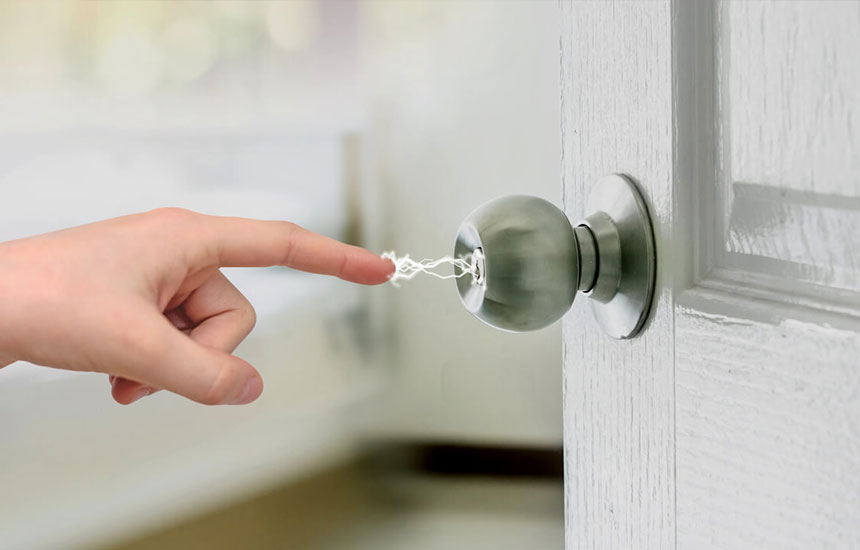
A small electric shock when touching a doorknob, blanket, or another person is often caused by static electricity. It is especially common during cold weather when indoor air is dry.
Static electricity occurs when electrical charges build up on surfaces and then discharge when two objects with different electrical potentials come into contact.
The solution is usually to reduce charge buildup and manage indoor humidity safely.
1. Understand Why Static Electricity Increases
Static shocks often become more frequent in dry conditions because electrical charges can remain on surfaces longer.
Common triggers include:
- Walking across synthetic carpets.
- Wearing polyester, fleece, or other synthetic fabrics.
- Removing clothing that creates friction.
- Moving across upholstery.
- Touching metal after walking on a carpet.
If shocks are happening mainly in winter or when indoor heating is running, low humidity may be contributing.
2. Measure Indoor Humidity
A small digital hygrometer can help you check indoor relative humidity.
Many homes aim for roughly 30%–50% relative humidity, although the appropriate level depends on the climate, building, and season. If condensation appears on windows or walls, humidity may already be too high for the conditions.
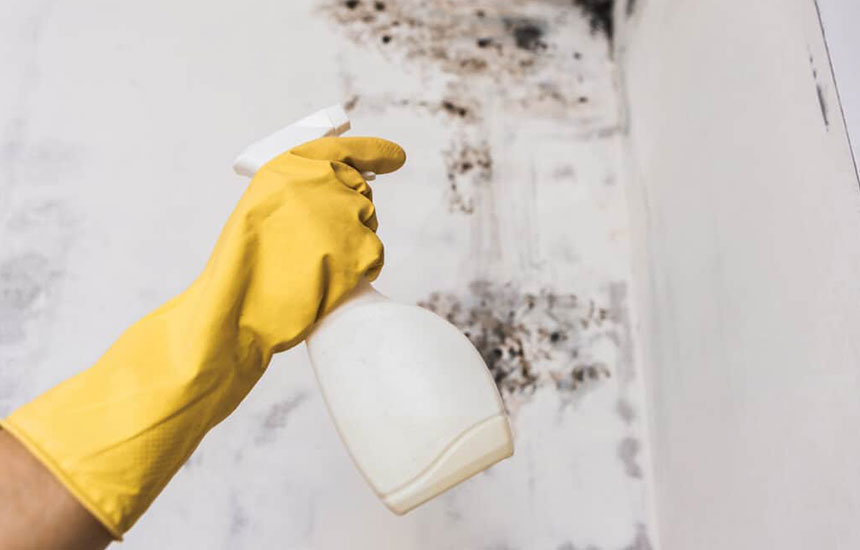
Do not increase humidity indefinitely just to eliminate static. Excess moisture can encourage mold and damage some building materials.
3. Use a Humidifier Carefully
If indoor air is consistently dry, a humidifier may help reduce static shocks.
Choose a device appropriate for the room and follow its cleaning and maintenance instructions. Empty and refill the tank as directed, clean it regularly, and use the type of water recommended by the manufacturer.
Monitor humidity rather than running the humidifier continuously without checking conditions. Stop or reduce use if condensation appears on windows or other cold surfaces.
4. Choose Clothing That Produces Less Static
Some fabric combinations are more likely to build up static than others.
Try these changes:
- Reduce combinations of synthetic fabrics that repeatedly generate shocks.
- Wear breathable natural fibers when practical.
- Avoid excessive friction when removing fleece or synthetic garments.
- Follow garment-care instructions when using fabric softener or anti-static laundry products.
No single fabric is guaranteed to eliminate static in every environment, but changing the combination of clothing can reduce the problem.
5. Reduce Static on Carpets and Upholstery
Walking on certain carpets while wearing particular shoes can build up an electrical charge.
If practical, use a different type of indoor footwear or reduce friction on the affected surface. Vacuum carpets regularly to remove dust and fibers.
Carpet anti-static products may help when used according to their labels and the carpet manufacturer’s recommendations. Test any product on an inconspicuous area first.
Do not apply homemade liquid mixtures to electrical equipment or carpet surfaces without confirming they are suitable.
6. Use Laundry Products Correctly
Static cling often appears when clothes are removed from a dryer.
To reduce it:
- Avoid overdrying garments.
- Separate fabrics that create substantial static.
- Use an appropriate dryer setting.
- Consider dryer balls or labeled anti-static laundry products if compatible with the garments.
Follow the care labels for delicate fabrics and any dryer manufacturer’s guidance. Never use a product in a dryer unless its instructions say it is suitable for that purpose.
7. Reduce Static Shocks Before Touching Metal
If you frequently receive a small shock after walking across a carpet, touching a suitable metal object with a key or another object may sometimes discharge the static before your finger makes contact.
However, this should never be used as a method for testing whether electrical equipment is safe. Avoid experimenting near fuel vapors, flammable liquids, sensitive electronics, or exposed electrical components.
A static shock is different from a shock caused by faulty wiring or an electrical appliance.
8. Protect Sensitive Electronics
Static discharge can damage some electronic components, especially when handling exposed circuit boards.
Before working inside a computer or other electronic device:
- Follow the manufacturer’s service instructions.
- Disconnect power as directed.
- Use appropriate electrostatic-discharge protection, such as a properly used ESD wrist strap or mat.
- Handle circuit boards by their edges where appropriate.
- Avoid touching exposed contacts.
Do not open a device containing a high-voltage power supply or battery unless the service procedure and your training make the task safe.
9. Recognize When a Shock May Not Be Static
A brief, isolated snap after walking across a carpet is often static electricity. Repeated tingling or shocks from an appliance, faucet, outlet, or metal enclosure may indicate an electrical fault.
If an appliance repeatedly gives you a shock, stop using it and disconnect it only if this can be done safely. Have the equipment and electrical system checked by a qualified professional.
Do not assume that every electrical sensation is harmless static.
Frequently Asked Questions
Why do I get static shocks more often in winter?
Indoor air often becomes drier when heating systems operate. Dry conditions can allow charges to accumulate more easily, making static shocks more noticeable.
Does a humidifier eliminate static electricity?
It may reduce static by raising humidity to a suitable level, but it cannot guarantee that shocks will disappear. Clothing, carpets, footwear, and other conditions also matter.
Is static electricity dangerous?
Most everyday static shocks are brief and harmless, although they can be startling. Static discharge can damage sensitive electronics and may be hazardous around flammable vapors. Repeated shocks from appliances should be treated as a possible electrical safety problem.
Can dryer sheets stop static cling?
Some dryer sheets reduce static cling when used as directed. Results depend on fabric type, dryer conditions, and the product. Follow clothing care labels and the product instructions.
Final Advice
Start by checking humidity and identifying which clothing, carpet, or laundry conditions trigger the shocks. Make small adjustments and monitor the results. If the sensation comes from an electrical appliance or fixed metal fixture rather than ordinary contact after friction, seek qualified electrical help.