

How to Fix a Slow-Draining Bathroom Sink
A bathroom sink that drains slowly is often affected by hair, soap residue, toothpaste, or other debris around the stopper and drain assembly. In some cases, the blockage is farther down the pipe.
You can often identify the cause with a few simple checks. Start with methods that do not require harsh chemicals, and stop if you encounter a serious leak or a blockage that affects multiple fixtures.
1. Check Whether the Problem Is Limited to One Sink
Turn on the tap briefly and observe how the water drains.
If only one bathroom sink is slow, the blockage may be near that sink’s stopper or drain pipe. If several fixtures are draining poorly, the problem may involve a shared drain or a larger plumbing issue.
Gurgling sounds, water backing up into another fixture, or sewage odors can indicate a more serious problem. In these cases, contact a qualified plumber rather than repeatedly treating the sink.
2. Remove Visible Debris
If you can see hair or debris around the drain opening, remove it carefully using a suitable plastic drain-cleaning tool or another method recommended for the fixture.
Wear gloves and avoid pushing debris deeper into the pipe.
Do not use sharp metal objects that could scratch the sink, damage the drain, or injure your hand.
3. Clean the Sink Stopper
Hair and soap residue often collect around the stopper mechanism.
If the stopper is designed to be removable, follow the fixture manufacturer’s instructions. Some pop-up stoppers lift out easily, while others are connected to a linkage beneath the sink.
Place a towel or small container beneath the work area if needed. Remove the buildup, clean the stopper, and reinstall it correctly.
If the mechanism is corroded, stuck, or unfamiliar, do not force it.
4. Try Warm Water and Dish Soap
For a minor buildup of greasy soap residue, a small amount of dish soap followed by warm water may help.
Use warm water rather than boiling water, especially if you do not know the pipe material or the sink manufacturer’s temperature recommendations. Boiling water can damage certain plastic components or stress some fixtures.
This method is not a reliable solution for a solid blockage or a drain filled with hair.
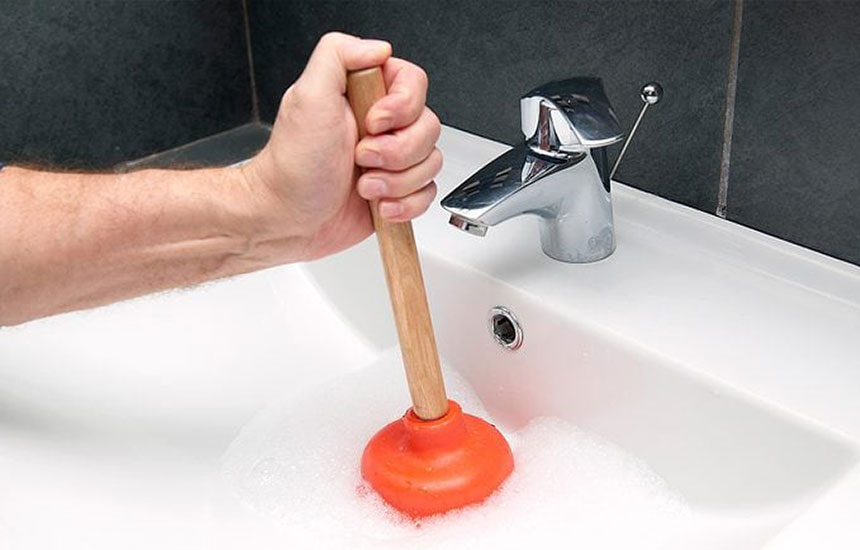
5. Use a Sink Plunger Correctly
A sink plunger may help loosen a soft blockage.
- Remove any visible debris from the drain.
- Add enough water to cover the plunger’s rim.
- If the sink has an overflow opening, seal it with a damp cloth where practical.
- Position the plunger over the drain.
- Use controlled plunging motions.
- Check whether the water drains more freely.
Do not plunge a drain that contains chemical drain cleaner. Splashing corrosive liquid can cause serious injury. If you have already used a chemical product, follow its label and safety instructions before attempting another method.
6. Consider Cleaning the P-Trap
The curved pipe beneath many sinks is called the P-trap. It can collect debris and may sometimes be removed for cleaning.
Only attempt this if you can identify the components and work safely. Check whether the plumbing material and trap design allow user maintenance.
Before loosening any connections:
- Stop using the sink.
- Place a bucket beneath the trap.
- Protect the cabinet and nearby items.
- Follow the fixture or plumbing manufacturer’s instructions.
- Avoid forcing corroded fittings.
If you are uncertain, the pipe is brittle, or the connections are leaking, call a plumber. Reassemble the trap correctly and check carefully for leaks before using the sink normally.
7. Be Cautious With Chemical Drain Cleaners
Chemical drain cleaners may be unsuitable for certain pipes, fixtures, or existing plumbing conditions. They can also cause burns and produce hazardous reactions when mixed with other products.
Never mix different drain cleaners or combine them with bleach, vinegar, ammonia, or other household chemicals.
If a chemical product has already been used, do not follow it with another chemical or plunge the drain without checking the product’s safety instructions. Tell a plumber which product was used if professional service is needed.
8. Know When to Call a Plumber
Seek professional help if:
- Several drains are slow at the same time.
- Water backs up into another fixture.
- Sewage odors or repeated gurgling occur.
- The blockage returns soon after cleaning.
- Pipes leak or show significant corrosion.
- The drain remains blocked despite basic cleaning.
These signs may indicate a blockage deeper in the plumbing system or a problem that simple drain cleaning will not resolve.
How to Prevent Future Blockages
- Remove hair from the stopper regularly.
- Clean the drain opening before buildup becomes heavy.
- Avoid washing large amounts of debris into the sink.
- Do not pour grease or thick substances down the drain.
- Check the stopper if drainage becomes slower than usual.
A drain cover designed for your sink can help catch hair, provided it does not interfere with the stopper or drainage.
Frequently Asked Questions
Is baking soda and vinegar the best way to unclog a sink?
The mixture can produce bubbling, but it is not a dependable solution for every blockage, especially compacted hair. Removing visible debris, cleaning the stopper, and using a suitable plunger are often more direct first steps.
Can I use boiling water to clear a bathroom sink?
Avoid assuming boiling water is safe for every drain. Hot water can damage some plastic parts or stress certain fixtures. Warm water within the manufacturer’s recommendations is a more cautious option for minor residue.
Why does my bathroom sink drain slowly after cleaning the stopper?
The blockage may be deeper in the drain pipe, or the stopper mechanism may not be installed correctly. If the problem persists, inspect only the components you can safely access or contact a plumber.
Why are several drains in my home slow?
Multiple slow drains can indicate a shared pipe blockage or another plumbing-system problem. A plumber can determine whether the issue is local or affects the main drainage system.
Final Advice
Start with visible debris and the stopper before attempting more involved work. Avoid mixing drain chemicals, and do not force plumbing connections. Persistent or widespread drainage problems deserve professional diagnosis.