

How to Tell When Your Car Tires Need Replacing
Car tires may need replacement when their tread is worn, the rubber is damaged, the tire has developed a serious bulge, or the manufacturer’s age-related guidance indicates that it should no longer be used. A tire can also be unsafe before it reaches the legal minimum tread depth if it has structural damage.
Check tread depth, tire condition, wear patterns, and age together. Do not judge a tire’s safety from its appearance alone.
1. Check the Tire Tread Depth
Tread grooves help channel water away from the contact area between the tire and road. As tread wears down, wet-weather grip can decrease and the risk of losing traction may increase.
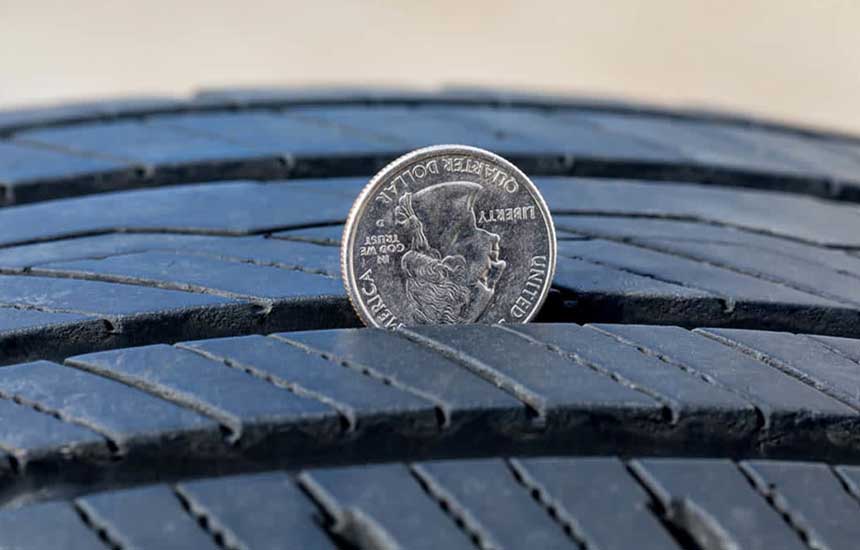
You can check tread depth with a suitable tread-depth gauge.
- Park on a level surface and secure the vehicle.
- Identify the main tread grooves.
- Measure several locations across the tire and around its circumference.
- Compare the measurements with the legal requirements and the tire or vehicle manufacturer’s recommendations.
Tires often have built-in tread-wear indicators. When the tread becomes level with these indicators, the tire has reached the wear limit represented by the indicators and generally needs replacement.
Do not rely on a single measurement if the tire is wearing unevenly. Some regions have different legal requirements, and certain winter tires or specialty tires have additional considerations.
2. Look for Cracks, Bulges, and Cuts
Inspect the visible tread and sidewalls for damage.
Warning signs include:
- A bulge or blister in the sidewall
- Deep cuts or exposed cords
- Significant cracking
- Objects embedded deeply in the tread
- Damage following an impact with a pothole or curb
A sidewall bulge can indicate internal structural damage. Do not continue normal driving on a tire with a suspected structural failure. Arrange a safe spare-tire installation or roadside assistance.
Not every small surface mark means a tire must be replaced, but serious damage should be assessed by a qualified tire professional.
3. Check for Uneven Tire Wear
Look across the full width of each tire.
Wear along both shoulders: May be associated with incorrect inflation, although other causes are possible.
Wear concentrated in the center: Can be associated with excessive inflation pressure on some tire designs.
Wear on one edge: May indicate alignment problems, suspension issues, or other mechanical faults.
Cupping or scalloped wear: May be associated with suspension, wheel-balance, or tire-related problems.
These patterns are clues rather than definitive diagnoses. Check tire pressure against the vehicle placard or owner’s manual, and arrange a professional inspection if the wear is uneven.
Replacing a tire without correcting the underlying cause may lead to the same problem on the new tire.
4. Understand Tire Age
Tires age even when they have substantial tread remaining. Heat, sunlight, storage conditions, inflation, and use can affect how the rubber and internal structure deteriorate.
The tire identification code may include information about when the tire was manufactured. On many tires sold in the United States, the final four digits of the full DOT Tire Identification Number indicate the production week and year.
For example, a date code ending in 2324 indicates production in the 23rd week of 2024.
Check the full marking and use the manufacturer’s guidance to interpret it. A manufacturing date is not, by itself, a universal expiration date.
Some vehicle and tire manufacturers recommend inspection or replacement after a specified number of years, even when tread remains. Follow the specific recommendations for your vehicle and tires.
5. Check Tire Pressure Regularly
Incorrect pressure can affect handling, braking, fuel consumption, and tire wear.
Use the recommended cold tire pressure shown on the vehicle’s tire-information placard or in the owner’s manual. Do not automatically use the maximum pressure printed on the tire sidewall as the vehicle’s recommended operating pressure.
Check pressure with a suitable gauge when the tires are cold, and adjust as directed by the manufacturer.
Remember that a tire pressure monitoring system may not warn you about every slow leak or pressure issue. Manual checks remain useful.
6. Know When a Tire Can Be Repaired
Some punctures in the main tread area can be repaired if the tire and damage meet recognized repair criteria. Sidewall damage, large punctures, structural damage, and some run-flat tire conditions may make repair unsuitable.
Do not pull out a deeply embedded object before a professional assessment if doing so could cause a rapid loss of air.
A qualified tire shop can determine whether the tire is repairable. An external plug alone may not provide an appropriate permanent repair for every puncture.
7. Replace Tires in a Suitable Set
If a tire needs replacement, select one that meets the vehicle manufacturer’s specifications for size, load rating, speed rating, and other relevant requirements.
Replacing one tire may be acceptable in some circumstances, but differences in tread depth and tire type can affect handling, particularly on vehicles with all-wheel drive.
Consult the owner’s manual for requirements involving matching tires, axle pairs, and drivetrain compatibility. Some vehicles require closely matched rolling circumferences to prevent drivetrain damage.
After replacement, ensure that the tires are installed and balanced correctly and that any required tire-pressure monitoring system procedures are completed.
Quick Tire Inspection Checklist
| What to inspect | What to look for | Next step |
|---|---|---|
| Tread depth | Worn tread or wear indicators reached | Measure and compare with applicable limits |
| Sidewalls | Bulges, deep cuts, exposed cords | Stop using a structurally damaged tire |
| Wear pattern | One edge or the center wearing faster | Check pressure and arrange inspection |
| Tire age | Older tire with cracking or age-related concerns | Consult manufacturer guidance |
| Tire pressure | Pressure differs from vehicle recommendation | Adjust when cold and investigate recurring loss |
| Punctures | Embedded objects or air loss | Have a qualified tire professional assess repairability |
Frequently Asked Questions
How often should I check my tires?
Check tire condition and pressure regularly, including before long journeys. Follow the vehicle manual for inspection intervals and tire-pressure recommendations.
Can tires look good but still be unsafe?
Yes. Internal damage, aging, or a hidden puncture may not be obvious from a quick visual inspection.
Should I replace tires when the tread reaches the wear indicators?
The wear indicators help identify the tire’s tread-wear limit. Follow applicable legal requirements and manufacturer recommendations, and remember that damage may require earlier replacement.
Should all four tires be replaced at the same time?
Not always. The decision depends on the vehicle, remaining tread depth, tire type, drivetrain, and manufacturer requirements. Some all-wheel-drive vehicles require closely matched tires.
Does a tire’s manufacturing date mean it has expired?
Not automatically. Tire age is one factor in safety assessment. Follow the tire and vehicle manufacturers’ inspection and replacement recommendations.
Final Advice
Inspect tread depth, sidewall condition, pressure, wear patterns, and age together. Replace structurally damaged tires promptly, investigate uneven wear, and choose replacement tires that meet your vehicle’s specifications.