

How to Get Rid of Musty Smells in a Room
A musty smell in a bedroom, basement, closet, or living room often indicates trapped moisture, damp materials, poor ventilation, or mildew growth. Simply spraying air freshener may cover the odor temporarily without addressing the cause.
To get rid of the smell for good, identify the source, reduce moisture, and clean or replace affected materials when necessary.
1. Identify Where the Smell Is Strongest
Walk around the room and check whether the odor is concentrated near:
- Windows and exterior walls.
- Carpets and rugs.
- Closets and stored clothing.
- Upholstered furniture.
- Bathrooms or laundry areas.
- Basements, crawl spaces, or utility rooms.
Look for water stains, peeling paint, condensation, damp fabrics, or visible growth on surfaces.
A musty smell does not prove that mold is present, but persistent odor deserves investigation, especially if it follows a leak or flood.
2. Check for Moisture Sources
Common sources include leaking pipes, roof leaks, window condensation, damp foundations, and water entering around doors.
Check accessible areas for obvious signs of water damage. Look beneath sinks and around plumbing fixtures, but do not open electrical equipment or enter unsafe areas to investigate.
If the smell appears after rain, pay attention to exterior walls, windows, and basement areas. A recurring odor may indicate a moisture problem that needs repair rather than repeated cleaning.
3. Measure Indoor Humidity
A digital hygrometer can help determine whether the room is consistently humid.
A common indoor target is approximately 30%–50% relative humidity, although climate and building conditions matter. In humid weather, air conditioning or a dehumidifier may help. In colder conditions, condensation on windows may indicate that indoor moisture or ventilation needs attention.
Avoid trying to reach a particular number without considering the building. If moisture keeps returning, the source needs to be identified.
4. Improve Ventilation
Open windows when outdoor conditions are suitable and it will not bring in excessive humidity, pollution, or outdoor allergens.
Use bathroom and kitchen exhaust fans where available, particularly during showers and cooking. Ensure that fans vent to an appropriate location rather than discharging moist air into an enclosed attic or wall cavity.
Ventilation can help control everyday moisture, but it will not fix a leaking pipe, wet insulation, or water entering through the foundation.
5. Dry Damp Fabrics and Soft Furnishings
Curtains, bedding, rugs, and upholstered furniture can hold moisture and odors.
Wash washable fabrics according to their care labels and dry them thoroughly before returning them to the room. If a rug or cushion remains damp, allow it to dry completely in a suitable ventilated area.
Materials that have been soaked by contaminated floodwater or remain wet for an extended period may require professional assessment or disposal.
Do not use a vacuum cleaner to remove visible mold unless the equipment is specifically designed for that purpose and the procedure is safe.
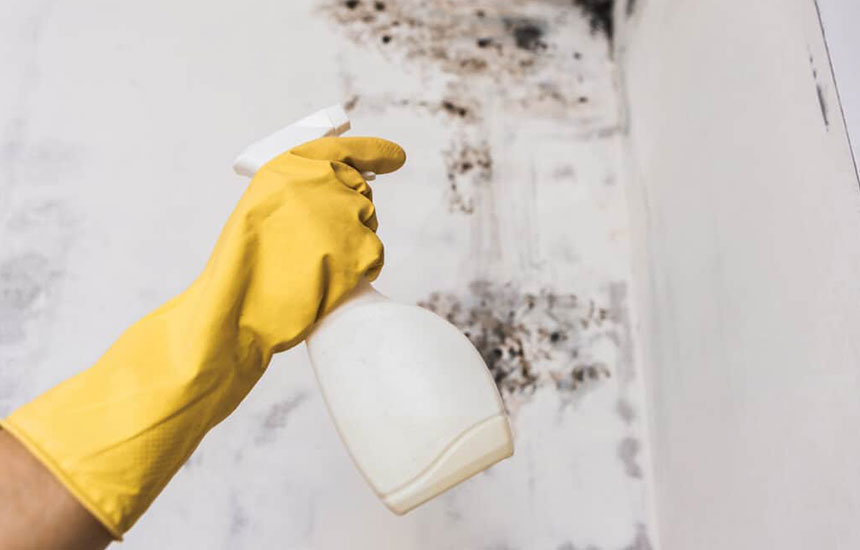
6. Clean Small Areas of Surface Mold Carefully
If you find a small area of surface growth, first determine whether the material can be cleaned safely and whether the underlying moisture source has been fixed.
For small areas on suitable nonporous surfaces, use a cleaning product labeled for the material and follow the directions. Wear appropriate protective equipment and ventilate the area as directed.
Do not mix cleaning chemicals. Never combine bleach with vinegar, ammonia, or other cleaners.
Porous materials such as ceiling tiles, some insulation, and sections of damaged drywall may not be cleanable once mold has penetrated them. Larger areas, recurring growth, contaminated water damage, or mold in HVAC systems may require professional remediation.
People with asthma, allergies, immune suppression, or other health concerns should avoid disturbing mold and may need to have someone else handle the assessment.
7. Use a Dehumidifier When Needed
A dehumidifier can reduce excess moisture in damp rooms, basements, or other spaces where humidity remains high.
Choose a unit appropriate for the room size and moisture conditions. Follow the manufacturer’s instructions for placement, filter maintenance, and water removal.
A dehumidifier is not a substitute for repairing leaks or correcting water intrusion. If the unit runs constantly but the room stays damp, investigate the source of the moisture.
8. Check Closets and Stored Items
Closets can develop musty odors when clothing is stored while damp or when air circulation is limited.
Remove damp items, wash them as appropriate, and let them dry completely. Avoid packing clothing tightly against cold exterior walls where condensation may occur.
Check boxes, shoes, bags, and stored paper products for dampness. Discard items that cannot be cleaned safely or that remain contaminated.
9. Do Not Rely Only on Air Fresheners
Air fresheners, scented candles, and odor absorbers may temporarily change how a room smells, but they do not remove the source of moisture.
Some products can also irritate people sensitive to fragrances. Use them only as optional additions after addressing the underlying problem.
If the odor persists despite cleaning and drying, consider hidden moisture behind walls, beneath flooring, or inside a ventilation system.
10. Prevent the Smell From Returning
- Repair leaks promptly.
- Use exhaust fans during showers and cooking.
- Dry wet items before storing them.
- Keep humidity at a suitable level.
- Check basements and closets periodically.
- Maintain gutters and exterior drainage where relevant.
- Investigate recurring condensation or damp patches.
If a musty odor returns repeatedly, treat it as a possible sign of unresolved moisture rather than simply another cleaning task.
Frequently Asked Questions
Does a musty smell always mean there is mold?
No. Damp materials, stagnant air, and other sources can produce musty odors. However, persistent smells, visible growth, or a history of water damage justify checking for moisture and possible mold.
Will baking soda remove a musty room smell?
Baking soda may help with some localized odors, but it cannot correct a leak, dry wet building materials, or eliminate mold growing in damp areas.
Is it safe to sleep in a musty room?
The smell alone cannot establish whether a room is safe. If the odor is persistent, especially with visible mold or water damage, investigate and address the cause. People with respiratory conditions or other health vulnerabilities should avoid disturbing suspected mold and seek appropriate advice.
When should I hire a professional?
Consider professional help for recurring water damage, extensive visible mold, mold in ventilation systems, contaminated flooding, or moisture that cannot be located or controlled. If the building materials are deteriorating, further investigation may be necessary.
Final Advice
Find and fix the moisture source first. Dry affected materials, improve ventilation where appropriate, and clean only surfaces that can be handled safely. A musty odor that returns after cleaning is a reason to investigate hidden moisture rather than cover it with fragrance.