

A Soft Brake Pedal Is Not a Symptom to Ignore
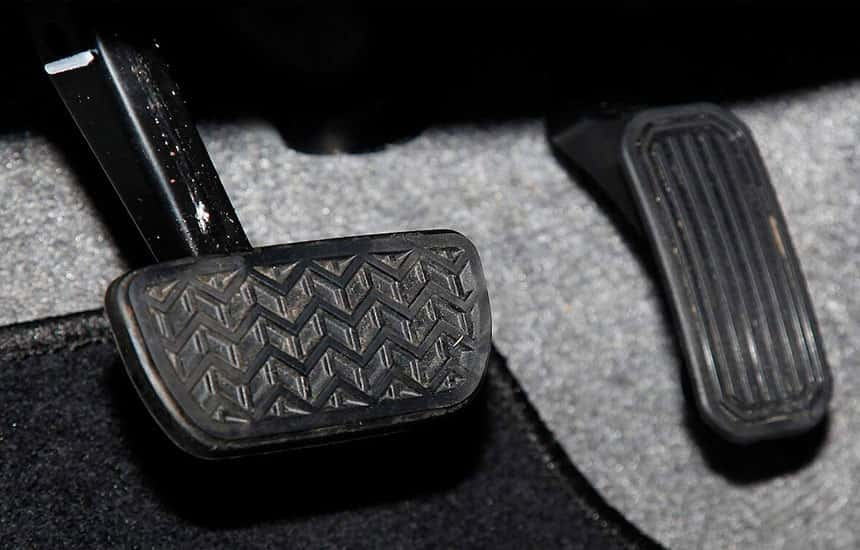
A brake pedal should feel reasonably firm and predictable when the braking system is working correctly. If it suddenly feels spongy, sinks farther than usual, or approaches the floor, the vehicle may not be able to stop as expected.
This is different from a minor change in pedal feel caused by a different vehicle design or normal operating conditions. A new or worsening soft pedal needs prompt attention.
If the brake pedal feels unusually soft, braking distance has increased, or the pedal sinks toward the floor, do not continue driving. Pull over safely and arrange professional inspection or towing.
What Can Cause a Soft Brake Pedal?
Several problems can produce similar symptoms. The exact cause cannot be confirmed from pedal feel alone.
1. Air in the Brake Lines
Hydraulic brakes use brake fluid to transmit force from the pedal to the braking components. Air can compress more easily than brake fluid.
If air enters the hydraulic system, the pedal may feel spongy or travel farther than normal. This can happen after certain repairs, fluid loss, or a system leak.
The system may require proper inspection and bleeding, but bleeding alone will not fix the underlying cause if air entered because of a leak.
2. Low Brake Fluid
A low fluid level can be associated with worn brake components or a leak. It should not be treated as a simple top-up issue without understanding why the level has fallen.
Brake fluid is usually held in a reservoir under the hood. The correct inspection procedure and fluid specification vary by vehicle.
If the level is below the manufacturer’s minimum mark, or the warning light is on, have the braking system inspected before driving.
3. A Brake Fluid Leak
A leak can reduce hydraulic pressure and cause the pedal to feel soft or sink.
Possible leak locations include brake lines, hoses, calipers, wheel cylinders, and master-cylinder connections. Fluid may appear near a wheel or underneath the vehicle, but not every leak is easy to see from outside.
Do not crawl under a vehicle supported only by a jack to search for a leak.
4. A Failing Master Cylinder
The master cylinder converts pedal movement into hydraulic pressure. Internal wear or seal failure can cause pressure to drop, sometimes making the pedal slowly sink while pressure is applied.
This symptom requires professional diagnosis. Other hydraulic faults can feel similar.
5. Problems With Brake Components
Some faults involving calipers, wheel cylinders, flexible hoses, or other hydraulic components can affect pedal travel and braking performance.
A soft pedal is not enough information to identify which part has failed. Replacing parts based on guesswork can leave the underlying problem unresolved.
What Should You Do When the Pedal Feels Soft?
- Take the warning seriously. Do not test the brakes repeatedly in traffic to see whether the feeling improves.
- Move to a safe location. If the vehicle is already moving, slow down carefully using the braking ability available, signal, and stop somewhere safe.
- Do not continue the journey. Arrange roadside assistance or towing if braking performance is uncertain.
- Describe the symptoms clearly. Tell the technician whether the pedal suddenly changed, slowly sinks, feels spongy, or is accompanied by a warning light or visible fluid.
- Request a full brake-system inspection. The technician should identify the cause before the vehicle returns to service.
Does a Soft Pedal Always Mean the Brakes Have Failed?
Not every change in pedal feel means total brake failure. However, a new soft pedal can indicate a fault that may worsen without warning.
Because braking is safety-critical, it is not sensible to judge the vehicle as safe based on the fact that it still slows down.
Frequently Asked Questions
Can I drive with a spongy brake pedal?
If the pedal is unusually soft, sinks, or braking performance has changed, do not drive the vehicle. Arrange professional inspection and towing where necessary.
Will adding brake fluid fix a soft pedal?
Not necessarily. Low fluid may be a sign of a leak or another problem. Adding fluid without finding the cause can hide a serious fault.
Can worn brake pads cause a soft pedal?
Brake wear can affect braking performance and fluid level, but a clearly spongy pedal should not automatically be blamed on brake pads. A proper inspection is needed.
Why does the brake pedal slowly sink when I hold it?
A sinking pedal can indicate hydraulic pressure loss or a master-cylinder problem, among other causes. Treat it as a serious warning and have the system inspected.
Final Advice
A soft brake pedal is a safety warning, not a routine maintenance reminder. Air in the hydraulic system, low fluid, leaks, and master-cylinder problems are among the possible causes. Since these faults can look similar from the driver’s seat, stop driving when braking performance is uncertain and have the vehicle checked by a qualified technician.